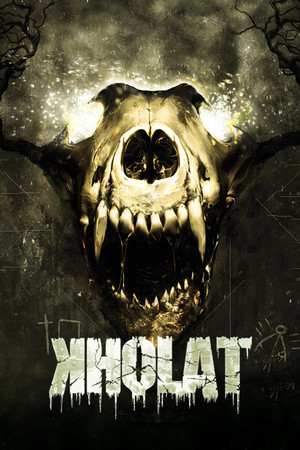
Kholat
Kholat is a game developed by independent studio IMGN.PRO, inspired by true events known as the "Dyatlov Pass Incident". We follow the path of a group of Russian students, that went for an expedition in the northern Ural Mountains. The team does not reach its goal, the entire crew dies in mysterious circumstances. Player is thrown into the area where the tragedy occurred, years after the actual event, with a chance to discover the real course of the tragedy. Atmosphere of anxiety and dread is created by fear management system. It is responsible for precise dosing of fear and uncertainty, based on what the player is doing, making each gameplay a unique experience.
What it feels like
The fear management system and mystery of a real tragedy create slow-building anticipatory fear throughout the experience. A real unsolved incident becomes an enigmatic pull—secrets half-glimpsed and answers withheld until discovered. A true tragedy with all crew dead creates grave, subdued seriousness and the hush of mourning.
What it's about
Unraveling the Dyatlov Pass Incident mystery through exploration and discovery is the core narrative driver. A fear management system creates dread and uncertainty as primary emotional mechanics rather than jump scares or overt threats. A remote, snowy mountain setting with a dead expedition creates pervasive solitude and being cut off.
How it plays
Investigation of clues and environmental hotspots to piece together the mystery suggests point-and-click examination mechanics.
How it looks and sounds
First-person perspective immerses the player in the snowy environment and creates intimate horror atmosphere. The atmospheric winter scenery and psychological horror suggest an ambient, mood-forward soundscape to maintain tension. A harsh, frozen mountain environment with the remains of a tragic expedition creates grimy, worn atmosphere.
How it's structured
The Ural Mountains setting is described as an open area where players explore and discover the tragedy's details non-linearly. Explicitly single-player focused experience with no multiplayer component. Walking simulator / exploration games with focused mystery narratives typically offer 4-6 hour experiences rather than sprawling campaigns.
Kindred games
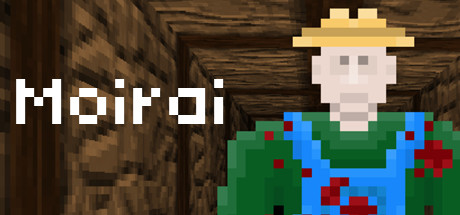
Shares Mystery, First-Person, Psychological Horror, Dread.
Both lean into Mystery, First-Person, Single-Player, Psychological Horror.

Shares Psychological Horror, Mystery, First-Person, Dread.
Both lean into Psychological Horror, Mystery, Single-Player, First-Person.
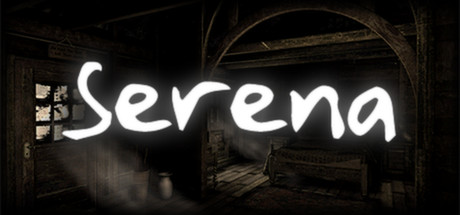
Shares Psychological Horror, Mystery, Dread, Mysterious.
Both lean into Single-Player, Psychological Horror, Mystery, Dread.
Closest hidden gems

A lesser-known kindred — First-Person, Mystery, Dread, Psychological Horror. 89% positive across 4,904 Steam reviews.
Both lean into First-Person, Mystery, Single-Player, Dread.

A lesser-known kindred — Mystery, Psychological Horror, Dread, Mysterious. 90% positive across 4,661 Steam reviews.
Both lean into Mystery, Psychological Horror, Single-Player, Dread.

A lesser-known kindred — Mystery, Dread, Psychological Horror, Mysterious. 98% positive across 4,955 Steam reviews.
Both lean into Mystery, Dread, Single-Player, Psychological Horror.