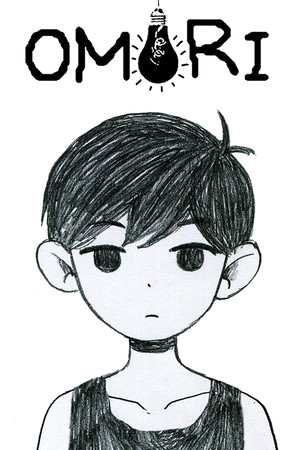
Omori
A turn-based surreal horror RPG in which a child traverses various mundane, quirky, humourous, mysterious and horrific lands with his friends in search of a missing person while confronting his past and his fears. Explore a strange world full of colorful friends and foes. When the time comes, the path you’ve chosen will determine your fate... and perhaps the fate of others as well.
What it feels like
A pervasive wistful sadness and quiet beauty in loss and decline characterize the emotional register. Enigmatic elements and secrets half-glimpsed throughout the world pull the player deeper into the mystery. A creeping wrongness pervades the surreal world where the almost-familiar is subtly, disturbingly off.
What it's about
The core experience centers on psychological horror rooted in the protagonist's mind, trauma, and inner conflict. Loss and mourning permeate the narrative as the protagonist grapples with a missing person and buried trauma. A child's journey toward self-knowledge and confronting his past drives the narrative arc.
How it plays
Explicitly a turn-based RPG where combat unfolds in alternating discrete turns. The protagonist traverses the world with a party of distinct friends, requiring coordination and management. Weighty choices about confronting fears and the past shape outcomes and the emotional arc of the story.
How it looks and sounds
Deliberately low-resolution hand-placed pixel visuals define the game's retro aesthetic. A sweeping, emotionally resonant soundtrack praised in reviews drives the atmospheric experience. Saturated, bold color in the character and world design contrasts with darker themes.
How it's structured
The game has a definite narrative arc structured around exploring a strange world and confronting the protagonist's past, culminating in a fate-determining climax. Designed as a solo experience with no multiplayer component whatsoever. Player choices fork the story into meaningfully different paths and outcomes, with the path chosen determining the protagonist's fate and that of others.
Kindred games
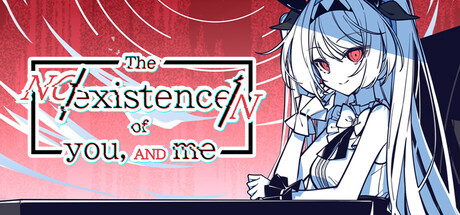
Shares Branching Narrative, Psychological Horror, Multiple Endings, Dialogue Trees.
Both lean into Single-Player, Branching Narrative, Multiple Endings, Psychological Horror.
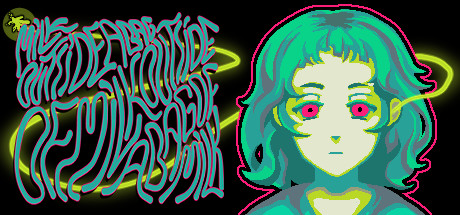
Shares Psychological Horror, Uncanny, Melancholic, Branching Narrative.
Both lean into Single-Player, Psychological Horror, Uncanny, Melancholic.
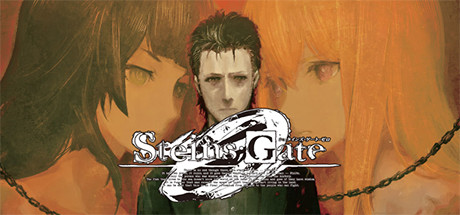
Shares Branching Narrative, Dialogue Trees, Melancholic, Multiple Endings.
Both lean into Single-Player, Campaign, Branching Narrative, Dialogue Trees.
Closest hidden gems
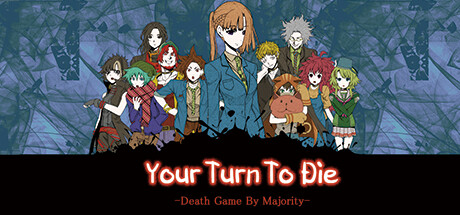
A lesser-known kindred — Branching Narrative, Multiple Endings, Psychological Horror, Dialogue Trees. 98% positive across 4,238 Steam reviews.
Both lean into Single-Player, Campaign, Branching Narrative, Multiple Endings.

A lesser-known kindred — Branching Narrative, Multiple Endings, Dialogue Trees, Moral Choice. 98% positive across 4,955 Steam reviews.
Both lean into Single-Player, Branching Narrative, Campaign, Multiple Endings.
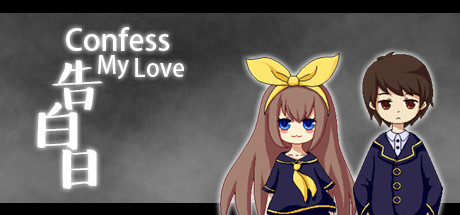
A lesser-known kindred — Branching Narrative, Multiple Endings, Coming of Age, Dialogue Trees. 94% positive across 4,870 Steam reviews.
Both lean into Single-Player, Branching Narrative, Multiple Endings, Dialogue Trees.