
BioShock Infinite
BioShock Infinite is the third game in the BioShock series. It is not a direct sequel/prequel to any of the previous BioShock games but takes place in an entirely different setting, although it shares similar features, gameplay and concepts with the previous games. BioShock Infinite features a range of environments that force the player to adapt, with different weapons and strategies for each situation. Interior spaces feature close combat with enemies, but unlike previous games set in Rapture, the setting of Infinite contains open spaces with emphasis on sniping and ranged combat against as many as fifteen enemies at once.
What it feels like
Combat sequences maintain sustained pressure with multiple enemies and the constant threat of failure, creating edge-of-seat urgency. The narrative resolves with triumph and loss entwined; victory comes at profound personal and existential cost. Interspersed quieter moments invite reflection on the narrative's themes of power, choice, and consequence.
What it's about
Columbia is presented as an oppressive, controlling society with a veneer of utopian idealism masking authoritarian control and systemic violence. The floating city of Columbia and its history diverge significantly from real-world events, presenting a counterfactual America. Time manipulation and parallel universes form a significant thematic and plot element central to the narrative's conclusion.
How it plays
Shooting with a variety of weapons against enemies in both tight interior spaces and open areas is the primary core interaction throughout the game. Combat rewards stylish, fluid execution of chained ability and weapon combinations, particularly with the Vigor powers encouraging expressive play. Aiming mechanics with some lock-on elements help manage spacing and focus during combat against multiple enemies.
How it looks and sounds
The entire game is played from a first-person perspective, a foundational design choice for the player's experience of Columbia. The soundtrack features sweeping orchestral pieces that underscore the grand scale and emotional weight of the narrative. While primarily first-person, the player occasionally views the protagonist and Elizabeth from third-person perspectives in key moments, adding visual storytelling.
How it's structured
BioShock Infinite is a bounded, authored single-player story arc with a definite narrative beginning, middle, and conclusion. While the game offers some exploration, it progresses through distinct stages and areas in a largely fixed sequence rather than a truly open-ended path. While the core story remains fixed, variations in player choices and secret unlocks provide different narrative interpretations and conclusions.
Kindred games

Shares Dystopian, Linear Levels, Character Action, Memory.
Both lean into Campaign, Dystopian, Linear Levels, Character Action.
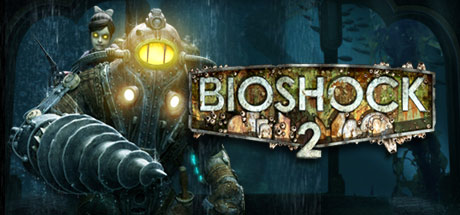
Shares First-Person, Gunplay, Dystopian, Linear Levels.
Both lean into First-Person, Campaign, Gunplay, Dystopian.
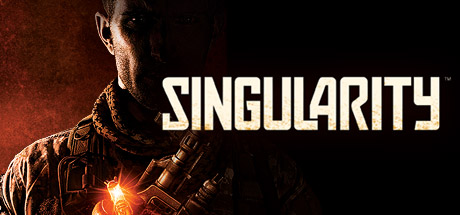
Shares First-Person, Gunplay, Time Travel, Linear Levels.
Both lean into First-Person, Gunplay, Campaign, Time Travel.
See all games like BioShock Infinite →
Closest hidden gems

A lesser-known kindred — First-Person, Gunplay, Linear Levels, Character Action. 91% positive across 4,914 Steam reviews.
Both lean into First-Person, Campaign, Gunplay, Linear Levels.

A lesser-known kindred — First-Person, Dystopian, Memory, Identity & Self. 91% positive across 4,453 Steam reviews.
Both lean into First-Person, Dystopian, Memory, Contemplative.
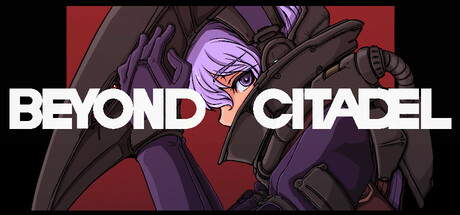
A lesser-known kindred — First-Person, Gunplay, Linear Levels, Character Action. 96% positive across 4,402 Steam reviews.
Both lean into Gunplay, First-Person, Linear Levels, Campaign.