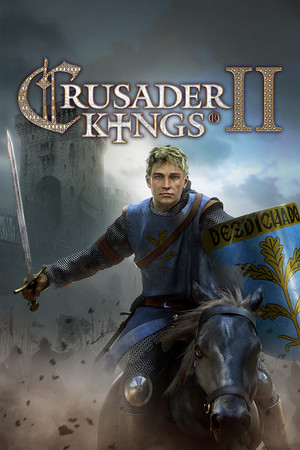
Crusader Kings II
The Dark Ages might be drawing to a close, but Europe is still in turmoil. Petty lords vie against beleaguered kings who struggle to assert control over their fragmented realms. The Pope calls for a Crusade to protect the Christians in the Holy Land even as he refuses to relinquish control over the investiture of bishops - and their riches. Now is the time for greatness. Expand your demesne and secure the future of your dynasty. Fill your coffers, appoint vassals, root out traitors and heretics, introduce laws and interact with hundreds of nobles, each with their own agenda. A good lord will always need friends to support him. But beware, as loyal vassals can quickly turn to bitter rivals, and some might not be as reliable as they seem... Stand ready, and increase your prestige until the world whispers your name in awe. Do you have what it takes to become a Crusader King? Crusader Kings II explores one of the defining periods in world history in an experience crafted by the masters of Grand Strategy. Medieval Europe is brought to life in this epic game of knights, schemes, and thrones...
What it feels like
The game invites reflection on strategy, dynastic legacy, and the interplay of ambition and fortune across generations of rule.
What it's about
Set in grounded medieval Europe from 1066 onwards, with real historical figures, kingdoms, and the texture of the period deeply embedded in the experience. A grounded medieval setting of castles, feudalism, kings, and knights provides the core texture and historical authenticity. Scheming, diplomacy, succession, and the machinery of feudal power—negotiating with hundreds of nobles each with their own agendas—drive much of the gameplay.
How it plays
Commanding empires, managing economies, diplomacy, and warfare across a vast medieval world at the scale of nations and dynasties is the definitional core of Crusader Kings II. The core loop is real-time world simulation pausable to issue commands and manage the realm, a signature feature of the Grand Strategy genre. Densely interacting feudal systems—succession laws, vassalage, inheritance, religion, opinion modifiers—produce emergent political situations and unscripted drama.
How it's structured
The game features a bounded historical period spanning centuries with a clear beginning (1066 or earlier start dates) and natural endpoints, though play can continue indefinitely within that framework. The player chooses which vassals to appoint, which wars to wage, which alliances to forge—the order of expansion and conquest is largely self-directed. While multiplayer exists, the game is fully designed and balanced for solo play where the player manages their dynasty and realm.
Kindred games
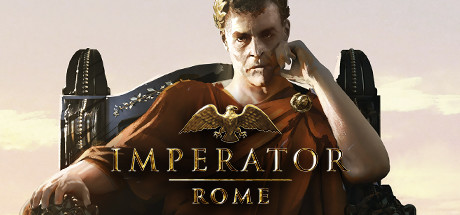
Shares Grand Strategy, Real-Time with Pause, Historical, Political Intrigue.
Both lean into Grand Strategy, Real-Time with Pause, Historical, Political Intrigue.
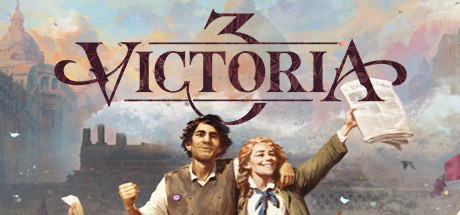
Shares Grand Strategy, Historical, Deep Simulation, Real-Time with Pause.
Both lean into Grand Strategy, Historical, Deep Simulation, Resource Management.

Shares Grand Strategy, Medieval, Resource Management, Reputation & Factions.
Both lean into Grand Strategy, Medieval, Campaign, Resource Management.
See all games like Crusader Kings II →
Closest hidden gems
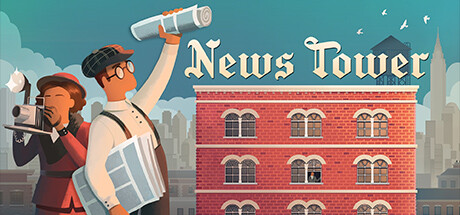
A lesser-known kindred — Resource Management, Deep Simulation, Historical, Reputation & Factions. 94% positive across 4,440 Steam reviews.
Both lean into Resource Management, Deep Simulation, Historical, Reputation & Factions.

A lesser-known kindred — Grand Strategy, Resource Management, Political Intrigue, Reputation & Factions. 87% positive across 4,314 Steam reviews.
Both lean into Grand Strategy, Resource Management, Political Intrigue, Single-Player.
A lesser-known kindred — Open World, Resource Management, Dialogue Trees, Moral Choice. 93% positive across 4,742 Steam reviews.
Both lean into Single-Player, Open World, Resource Management, Dialogue Trees.