
Five Nights at Freddy's
Welcome to your new summer job at Freddy Fazbear's Pizza, where kids and parents alike come for entertainment and food as far as the eye can see! The main attraction is Freddy Fazbear, of course; and his two friends. They are animatronic robots, programmed to please the crowds! The robots' behavior has become somewhat unpredictable at night however, and it was much cheaper to hire you as a security guard than to find a repairman. From your small office you must watch the security cameras carefully. You have a very limited amount of electricity that you're allowed to use per night (corporate budget cuts, you know). That means when you run out of power for the night- no more security doors and no more lights! If something isn't right- namely if Freddybear or his friends aren't in their proper places, you must find them on the monitors and protect yourself if needed! Can you survive five nights at Freddy's?
What it feels like
The game builds slow-burning anticipatory fear throughout the night as animatronics move closer, with the knowledge that power failure means certain attack. Every moment is edge-of-seat pressure where a mistake in camera management or resource depletion feels immediately costly and game-ending. The animatronics present an active, clear threat that grows more aggressive and present as the night progresses toward the player.
What it's about
The primary design goal is to frighten the player through animatronic threat, jumpscares, and the uncanny nature of malfunctioning entertainment robots. Enduring five hostile nights against relentless animatronic threats within a confined space is the central survival struggle. Malfunctioning animatronic AI that behaves unpredictably and threateningly at night is the narrative and mechanical basis for the threat.
How it plays
Managing limited electricity per night is the core strategic tension—conserving power while monitoring threats is the central challenge. Reading animatronic positions and movements on security cameras, tracking their patrol patterns and alertness states, drives the gameplay loop. Core interaction involves clicking camera feeds, doors, and light switches via mouse to monitor and defend against threats.
How it looks and sounds
The office security camera perspective and office view simulate first-person observation and interaction within a confined space. All interface elements—camera feeds, door controls, light switches, power indicator—exist as diegetic objects within the office fiction. Sparse, unsettling sound design with mechanical creaks, ambient hum, and sudden audio cues prioritizes dread over musical score.
How it's structured
Designed exclusively for solo play with no multiplayer component; the experience is entirely single-player. Each night is a discrete 6-hour session completable in roughly 10 minutes, designed for short, self-contained play sessions. The night progresses in escalating waves of threat, with animatronics growing more aggressive and mobile as hours pass toward 6 AM.
Kindred games

Shares Horror, Dread, First-Person, Tense.
Both lean into Single-Player, Horror, First-Person, Dread.

Shares Dread, Horror, Tense, First-Person.
Both lean into Single-Player, Horror, Dread, Tense.
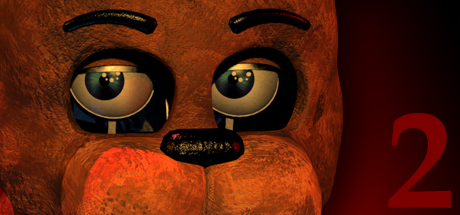
Shares Dread, Tense, Resource Management, Horror.
Both lean into Dread, Tense, Single-Player, Resource Management.
See all games like Five Nights at Freddy's →
Closest hidden gems

A lesser-known kindred — Dread, First-Person, Horror, Short Playtime. 90% positive across 4,526 Steam reviews.
Both lean into Single-Player, First-Person, Dread, Horror.

A lesser-known kindred — Dread, Point-and-Click, Horror, Menacing. 99% positive across 4,402 Steam reviews.
Both lean into Single-Player, Dread, Point-and-Click, Horror.
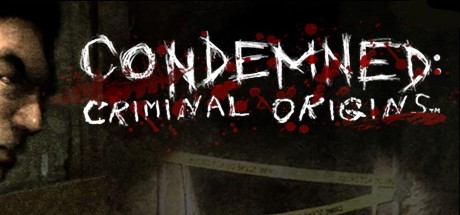
A lesser-known kindred — First-Person, Tense, Dread, Menacing. 87% positive across 4,350 Steam reviews.
Both lean into Single-Player, First-Person, Tense, Dread.