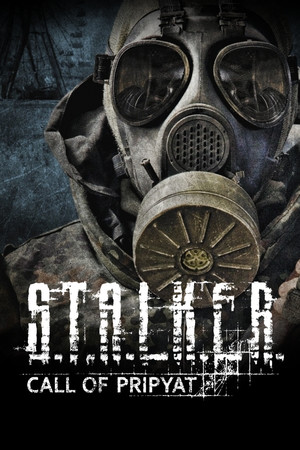
S.T.A.L.K.E.R.: Call of Pripyat
The events of S.T.A.L.K.E.R.: Call of Pripyat unfold shortly after the end of S.T.A.L.K.E.R.: Shadow of Chernobyl. Having discovered about the open path to the Zone center, the government decides to hold a large-scale military "Fairway" operation aimed to take the CNPP under control. According to the operation's plan, the first military group is to conduct an air scouting of the territory to map out the detailed layouts of anomalous fields location. Thereafter, making use of the maps, the main military forces are to be dispatched. Despite thorough preparations, the operation fails. Most of the avant-garde helicopters crash. In order to collect information on reasons behind the operation failure, Ukraine's Security Service sends their agent into the Zone center. From now on, everything depends on you.
What it feels like
Sustained edge-of-seat pressure permeates exploration—radiation suits degrading, ammunition running low, mutants stalking, anomalies lurking. An unflinching darkness pervades the Zone: human treachery, mutant horror, and the cost of the disaster refuse softening. A small agent isolated in a vast, hostile emptiness; most encounters are tense confrontations with armed foes or strange creatures.
What it's about
The Chernobyl Zone setting and post-disaster atmosphere define the entire experience as survivors navigating a collapsed, hazardous world. A military operation and government investigation structure the plot; the player is a government agent investigating military failures. Unraveling why the military operation failed and what happened to the helicopters is the central hidden truth driving investigation.
How it plays
Aiming, firing, and managing ranged firearms—scavenged and variable—is central to Zone combat and survival. Avoiding detection via shadow, sound, and enemy awareness is a core survival tactic in a dangerous zone full of hostile forces. Managing radiation, anomalies, and the Zone's hazards alongside food and health is essential to survival.
How it looks and sounds
The world is seen directly through Major Degtyarev's eyes, making first-person perspective definitional to the experience. Grimy, worn, high-detail realism of rust, radiation, rubble, and post-industrial decay permeates the Zone's visual identity. Immersive diegetic sound design—ambient radiation, creature calls, gunfire echoes—forgrounds atmosphere over musical score.
How it's structured
The Zone is a large, explorable continuous space that the player navigates largely non-linearly to gather clues and complete objectives. The Zone is traversed largely without hard loading screens, maintaining immersion as the player moves through space. While explorable and nonlinear, the investigation arc has a spine: discover helicopter crashes, uncover the conspiracy, investigate the Zone center.
Kindred games
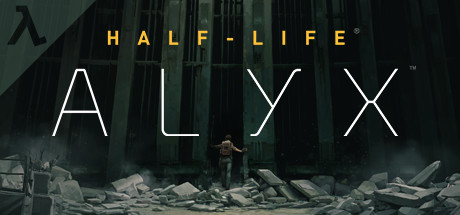
Shares First-Person, Gunplay, Tense, Post-Apocalyptic.
Both lean into First-Person, Gunplay, Tense, Post-Apocalyptic.

Shares Post-Apocalyptic, First-Person, Open World, Gunplay.
Both lean into Post-Apocalyptic, First-Person, Open World, Gunplay.
Shares Post-Apocalyptic, First-Person, Open World, Gunplay.
Both lean into Post-Apocalyptic, First-Person, Open World, Survival Needs.
See all games like S.T.A.L.K.E.R.: Call of Pripyat →
Closest hidden gems
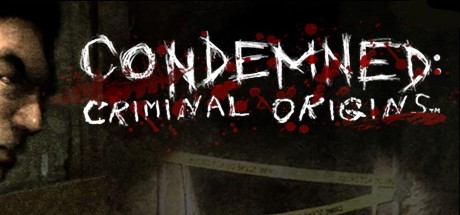
A lesser-known kindred — First-Person, Gritty, Tense, Mystery. 87% positive across 4,350 Steam reviews.
Both lean into First-Person, Gritty, Tense, Mystery.
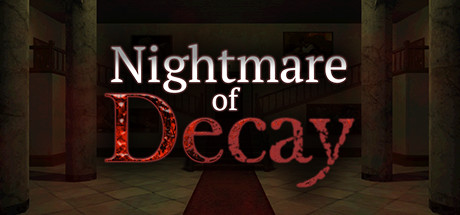
A lesser-known kindred — First-Person, Gunplay, Survival Needs, Grim. 96% positive across 4,352 Steam reviews.
Both lean into First-Person, Gunplay, Survival Needs, Grim.

A lesser-known kindred — Open World, First-Person, Sandbox, Survival Needs. 88% positive across 4,765 Steam reviews.
Both lean into Open World, First-Person, Sandbox, Survival Needs.