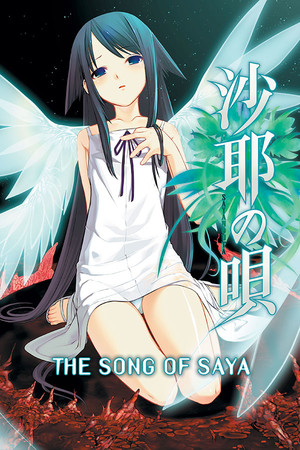
Saya no Uta
A horror visual novel about Fuminori Sakisaka, a medicine student who suffers an accident that leaves his perception of the world distorted: everything and everyone is perceived as a twisted mass of intestines, flesh and blood. Everything, except Saya.
What it feels like
Visceral descriptions of intestines, flesh, and body horror create sustained revulsion and terror as a primary emotional register. The central dynamic between Fuminori and Saya carries longing and intimacy, even as it unfolds within a horrific framework. The distorted perception of familiar people and places as grotesquely wrong creates persistent unease in the almost-but-not-quite recognizable.
What it's about
The core premise of Fuminori's distorted perception transforming the world into flesh and gore is deeply rooted in psychological horror and unreliable reality. Horror is a primary design pillar, not merely flavor—the game's goal is to frighten and disturb through psychological and visceral means. The central narrative pivot—Saya as the sole exception to the protagonist's horrific perception—establishes romantic connection as the emotional core.
How it plays
Visual novel format centers on branching conversation choices that drive interaction, relationship development, and narrative outcomes.
How it looks and sounds
Visual novels typically employ illustrated 2D art and character designs, with frame-by-frame or key-frame animation in sprites and backgrounds.
How it's structured
Designed as a solo narrative experience with no multiplayer component. As a visual novel, player choices fork the story and relationships, with decisions shaping outcomes and Fuminori's fate. Steam user tags and genre conventions of visual novels suggest branching choices lead to meaningfully different conclusions.
Kindred games
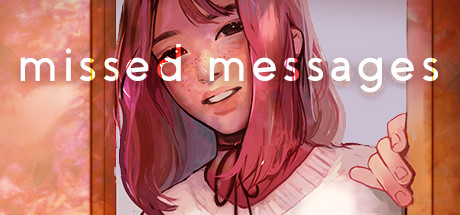
Shares Psychological Horror, Branching Narrative, Love & Romance, Romantic.
Both lean into Single-Player, Psychological Horror, Branching Narrative, Love & Romance.
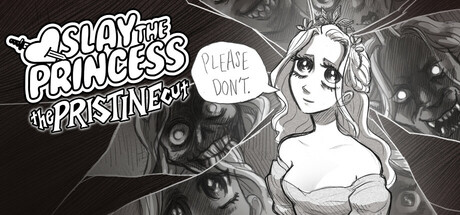
Shares Psychological Horror, Branching Narrative, Dread, Dialogue Trees.
Both lean into Psychological Horror, Single-Player, Branching Narrative, Dread.

Shares Psychological Horror, Horror, Uncanny, Dread.
Both lean into Psychological Horror, Single-Player, Horror, Uncanny.
See all games like Saya no Uta →
Closest hidden gems
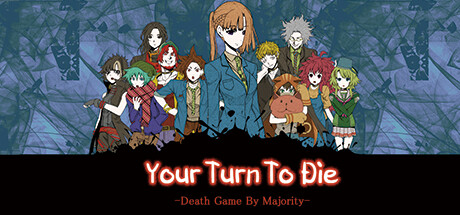
A lesser-known kindred — Psychological Horror, Branching Narrative, Dialogue Trees, Multiple Endings. 98% positive across 4,238 Steam reviews.
Both lean into Single-Player, Branching Narrative, Psychological Horror, Dialogue Trees.

A lesser-known kindred — Psychological Horror, Dialogue Trees, Branching Narrative, Dread. 98% positive across 4,955 Steam reviews.
Both lean into Single-Player, Branching Narrative, Dialogue Trees, Psychological Horror.
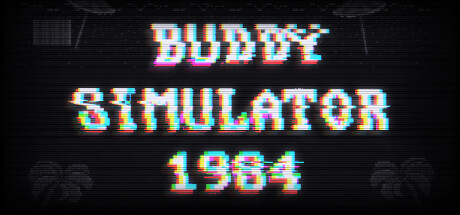
A lesser-known kindred — Psychological Horror, Uncanny, Dialogue Trees, Identity & Self. 93% positive across 4,301 Steam reviews.
Both lean into Single-Player, Psychological Horror, Uncanny, Dialogue Trees.