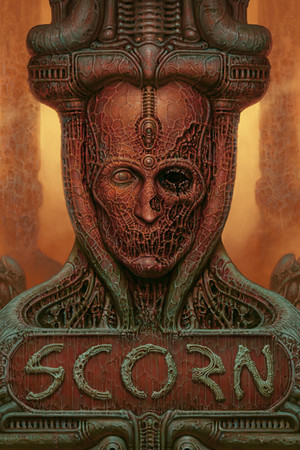
Scorn
Scorn is an atmospheric first person horror adventure game set in a nightmarish universe of odd forms and somber tapestry. It is designed around an idea of "being thrown into the world". Isolated and lost inside this dream-like world you will explore different interconnected regions in a non-linear fashion. The unsettling environment is a character itself. Every location contains its own theme (story), puzzles and characters that are integral in creating a cohesive lived in world. Throughout the game you will open up new areas, acquire different skill sets, weapons, various items and try to comprehend the sights presented to you.
What it feels like
Slow-building anticipatory horror of an oppressive, unknowable world creates sustained dread throughout the exploration. The crushing, suffocating weight of the nightmarish environment presses onto the player as they navigate the somber, alien world. The almost-familiar organic forms rendered disturbingly wrong create a pervasive sense of subtle wrongness and unease.
What it's about
The indifferent, incomprehensible alien universe and Lovecraftian references (per steam tags) evoke cosmic dread beyond human understanding. Steam tags highlight psychological horror; the dreamlike nature and unreliable perception create mental unease beyond visceral scares. Horror is the primary aim of this atmospheric horror adventure, though psychological rather than jump-scare driven.
How it plays
Each location contains puzzles integral to the world design, woven into the environment itself rather than abstracted. Interlocking environmental systems and the emphasis on player-authored exploration and comprehension suggest systemic rather than linear puzzle solving. Navigation of odd interconnected spaces and environments implies platforming-adjacent traversal challenges.
How it looks and sounds
First-person perspective is the defining visual presentation throughout the game, as stated in the official description and steam tags. The grotesque biological and biomechanical forms are central to the game's visual identity and atmosphere, with 'odd forms' and body horror defining the world. Dreamlike impossible imagery and surreal visuals pervade the nightmarish universe as core to the setting and atmosphere.
How it's structured
Non-linear interconnected regions that open up as new abilities are acquired matches the metroidvania structure of ability-gated progression through a continuous world. Different interconnected regions without loading breaks suggest a seamless continuous world exploration. Designed as a solitary isolated experience with no multiplayer component.
Kindred games
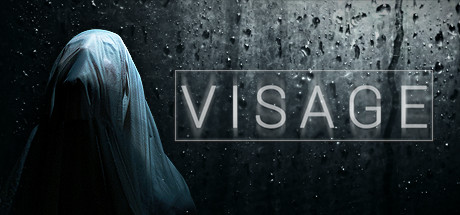
Shares First-Person, Dread, Psychological Horror, Uncanny.
Both lean into First-Person, Dread, Psychological Horror, Uncanny.
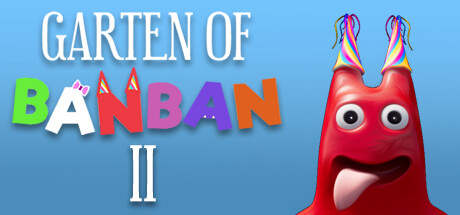
Shares First-Person, Dread, Surreal Visuals, Psychological Horror.
Both lean into First-Person, Surreal Visuals, Dread, Psychological Horror.

Shares First-Person, Surreal Visuals, Dread, Uncanny.
Both lean into First-Person, Surreal Visuals, Dread, Uncanny.
Closest hidden gems

A lesser-known kindred — First-Person, Dread, Cosmic Horror, Oppressive. 86% positive across 4,772 Steam reviews.
Both lean into First-Person, Dread, Cosmic Horror, Uncanny.

A lesser-known kindred — First-Person, Dread, Psychological Horror, Uncanny. 90% positive across 4,526 Steam reviews.
Both lean into First-Person, Dread, Psychological Horror, Uncanny.
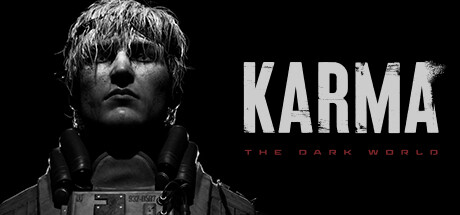
A lesser-known kindred — First-Person, Psychological Horror, Dread, Mysterious. 91% positive across 4,453 Steam reviews.
Both lean into First-Person, Psychological Horror, Dread, Mysterious.