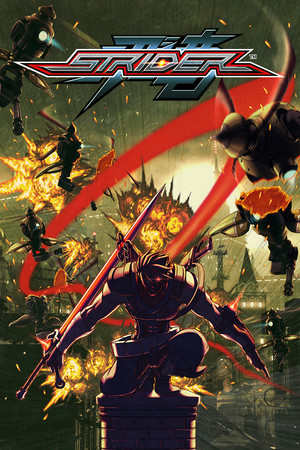
Strider
Strider Hiryu, the original assassin that inspired many third person action titles returns in a completely new game for a new generation of gamers as he takes on the Grand Master Meio. Use an arsenal of moves and weapons against your enemies whilst slicing your way through a massive interconnected game world. From scorching enemies to freezing them in their tracks or deflecting a host of bullets, the indestructible plasma charged cypher offers a range of action tactics for players to use against their foes. Jump, climb and run through the expansive game world with the speed and agility of a ninja whilst climbing surfaces to gain that extra height and engaging the enemy from virtually any direction. From cybernetic soldiers to immense bio-mechanical creatures the enemy types in Strider guarantee engaging and unique combat challenges.
What it feels like
Lightning-fast combat, ninja-like speed, and fluid high-energy action create a kinetic rush of momentum and flow.
What it's about
Cybernetic soldiers, biomechanical creatures, and a sci-fi setting of advanced technology drive the world and enemy design. High-tech cybernetic assassin protagonist, futuristic tech-dominated world, and sleek aesthetic align with cyberpunk tone and setting.
How it plays
Fast melee combat with flashy chained slashing attacks against multiple enemies is the central moment-to-moment gameplay loop. Jumping, climbing, and navigating geometry across the interconnected world is a core traversal challenge alongside combat. Wall-climbing and verticality-focused movement across surfaces enables expressive three-dimensional traversal within the side-view constraint.
How it looks and sounds
Deliberate 2.5D side-on perspective is the primary camera angle throughout the game, as emphasized by Steam descriptions. 3D rendering constrained to 2D-plane gameplay with side-scrolling perspective defines the visual presentation.
How it's structured
An interconnected explorable world with ability-gating (new traversal powers unlock previously inaccessible areas) defines the metroidvania structure core to the experience. New traversal powers unlock access to previously unreachable areas, a core metroidvania gating mechanic. Designed as a solo experience with no multiplayer component, focused on single-player campaign progression.
Kindred games
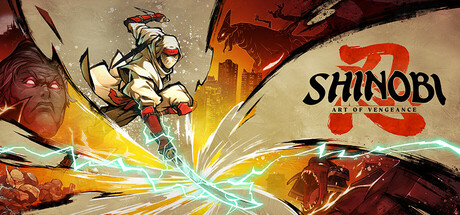
Shares Hack-and-Slash, Platforming, Side View, Exhilarating.
Both lean into Hack-and-Slash, Platforming, Side View, Exhilarating.

Shares Metroidvania, Side View, Hack-and-Slash, Platforming.
Both lean into Metroidvania, Side View, Hack-and-Slash, Platforming.

Shares Hack-and-Slash, Side View, Metroidvania, Character Action.
Both lean into Hack-and-Slash, Side View, Metroidvania, Single-Player.
Closest hidden gems
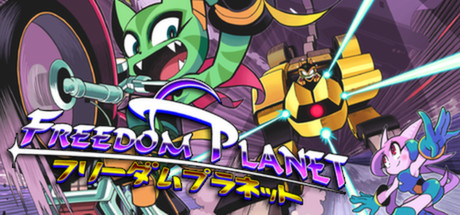
A lesser-known kindred — Platforming, Hack-and-Slash, Air Mobility, Science Fiction. 95% positive across 4,886 Steam reviews.
Both lean into Platforming, Hack-and-Slash, Air Mobility, Science Fiction.

A lesser-known kindred — Metroidvania, Platforming, Science Fiction, Character Action. 86% positive across 4,974 Steam reviews.
Both lean into Metroidvania, Platforming, Science Fiction, Single-Player.
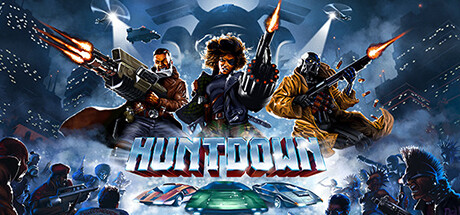
A lesser-known kindred — Platforming, Cyberpunk, Exhilarating, Character Action. 95% positive across 4,349 Steam reviews.
Both lean into Platforming, Cyberpunk, Exhilarating, Character Action.