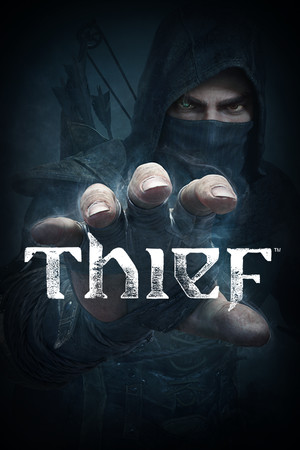
Thief
There is a rising tide of fear in The City. Hatred saturates every stone and whilst the rich prosper, the less fortunate face misery and repression. Ravaged with sickness and famine, they wait for something to change. Into this shadowy world steps Garrett, THE master thief in Thief, a reinvention of a franchise that helped define an entire genre of games. This first-person adventure features intelligent design that allows players to take full control, with freedom to choose their path through the game's levels and how they approach and overcome each challenge.
What it feels like
Sustained pressure surrounds each infiltration—discovery feels imminent and costly, maintaining edge-of-seat awareness. The City is dark and harsh, with oppression, sickness, and fear permeating the setting without relief. The shadowy world and hidden truths about the City and Garrett's past create enigmatic pull through the narrative.
What it's about
The protagonist is a master thief stealing from the wealthy and powerful in a crime-driven narrative. The City's industrial aesthetic and the Baron's Watch invoke steampunk's Victorian industrial atmosphere. The City is oppressive, controlled, and miserable—the Baron's Watch spreads fear and the poor face repression.
How it plays
Stealth is the core identity of Thief; avoiding detection via shadow, sound, and careful observation is fundamental to how the player interacts with the world. Enemy line-of-sight, hearing, and alertness states directly drive tension and determine success or failure in stealth scenarios. Interlocking systems (sight, sound, physics, guard AI) permit many valid player-authored solutions to infiltration challenges.
How it looks and sounds
The game is explicitly described as a 'first-person adventure' where Garrett's perspective defines the entire experience.
How it's structured
The game is designed as a solo experience with no multiplayer component, emphasizing single-player agency and choice. Each mission space is deliberately authored by designers to reward player creativity and multiple approach paths. The level design allows exploration and player choice within a guided story spine, with wide arenas and optional objectives rather than pure linearity.
Kindred games

Shares Stealth, Detection & Awareness, Handcrafted World, Parkour.
Both lean into Stealth, Single-Player, Detection & Awareness, Parkour.
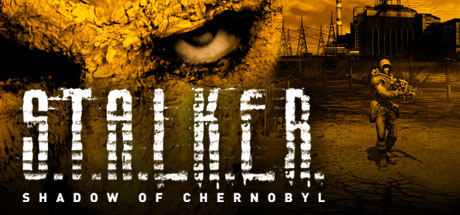
Shares First-Person, Stealth, Handcrafted World, Immersive Sim.
Both lean into First-Person, Single-Player, Stealth, Immersive Sim.
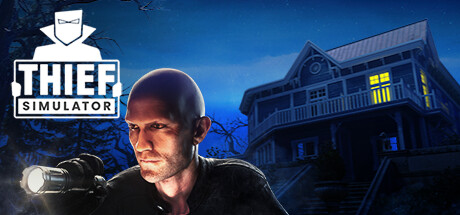
Shares Stealth, First-Person, Crime & Underworld, Detection & Awareness.
Both lean into Stealth, Single-Player, Crime & Underworld, First-Person.
Closest hidden gems
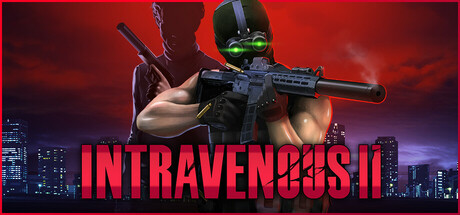
A lesser-known kindred — Stealth, Crime & Underworld, Detection & Awareness, Immersive Sim. 95% positive across 4,598 Steam reviews.
Both lean into Stealth, Single-Player, Crime & Underworld, Detection & Awareness.
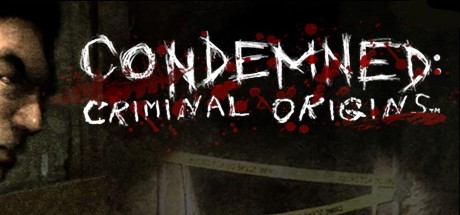
A lesser-known kindred — First-Person, Tense, Crime & Underworld, Grim. 87% positive across 4,350 Steam reviews.
Both lean into First-Person, Single-Player, Tense, Crime & Underworld.
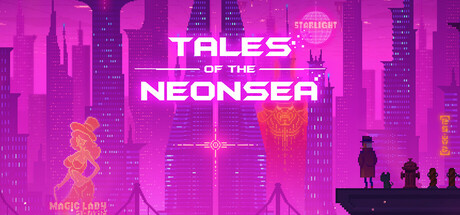
A lesser-known kindred — Handcrafted World, Dystopian, Crime & Underworld, Mysterious. 85% positive across 4,986 Steam reviews.
Both lean into Single-Player, Handcrafted World, Dystopian, Mysterious.