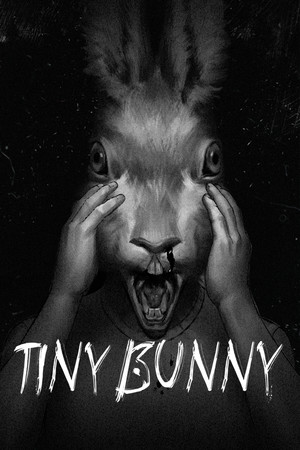
Tiny Bunny
Tiny Bunny is a non-linear horror visual novel. Those, who have heard the voice of the forest, are beyond help.
What it feels like
The tagline 'Those who have heard the voice of the forest, are beyond help' establishes slow-building anticipatory fear of inevitable corruption. The cryptic premise and warnings about the forest's voice create enigmatic pull of hidden truths and secrets. User tags cite 'Dark' and 'Gore'; the work refuses to look away from brutality in its horror.
What it's about
Explicitly tagged as psychological horror; focuses on dread and the supernatural with emphasis on corrupting influence rather than gore alone. Horror is the primary thematic goal; the premise warns of danger and corruption in the forest setting. The forest setting and warnings of corruption suggest solitude and being cut off from safety.
How it plays
Visual novels rely on branching conversation and choice systems as the core interaction mechanic. Visual novels traditionally employ point-and-click interaction for examining scenes and making choices. Emphasis on player choices suggests meaningful ethical decisions shape the story and outcomes.
How it looks and sounds
User tags mention 'Anime' aesthetic, common to visual novels, suggesting anime-influenced character design.
How it's structured
A non-linear visual novel explicitly designed for single-player experience with no multiplayer component. Non-linear structure and user tags emphasizing 'Choices Matter' indicate player choice forks the story into different paths. Non-linear structure with branching choices typically leads to divergent endings in visual novels.
Kindred games
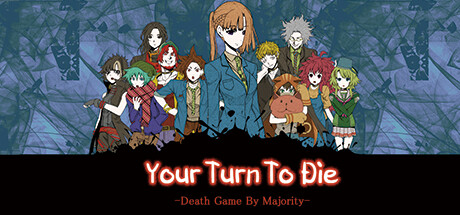
Shares Branching Narrative, Dialogue Trees, Psychological Horror, Horror.
Both lean into Single-Player, Branching Narrative, Dialogue Trees, Psychological Horror.
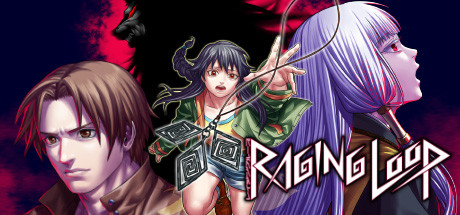
Shares Psychological Horror, Branching Narrative, Horror, Dialogue Trees.
Both lean into Psychological Horror, Branching Narrative, Single-Player, Horror.

Shares Psychological Horror, Branching Narrative, Dialogue Trees, Horror.
Both lean into Psychological Horror, Branching Narrative, Dialogue Trees, Single-Player.
See all games like Tiny Bunny →
Closest hidden gems
A lesser-known kindred — Branching Narrative, Dialogue Trees, Psychological Horror, Horror. 98% positive across 4,238 Steam reviews.
Both lean into Single-Player, Branching Narrative, Dialogue Trees, Psychological Horror.

A lesser-known kindred — Branching Narrative, Dialogue Trees, Dread, Psychological Horror. 98% positive across 4,955 Steam reviews.
Both lean into Single-Player, Branching Narrative, Dialogue Trees, Dread.
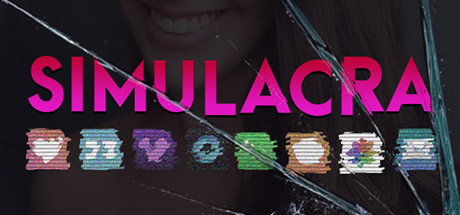
A lesser-known kindred — Psychological Horror, Branching Narrative, Mysterious, Dread. 90% positive across 4,661 Steam reviews.
Both lean into Single-Player, Psychological Horror, Branching Narrative, Mysterious.