Undertale
A small child falls into the Underground, where monsters have long been banished by humans and are hunting every human that they find. The player controls the child as they try to make it back to the Surface through hostile environments, all the while engaging with a turn-based combat system with puzzle-solving and bullet hell elements, as well as other unconventional game mechanics.
What it feels like
Despite the comedy, emotional beats are played with sincere, unironic heartfelt-ness. A pervasive wistful sadness underlies the Underground's loneliness and the monsters' tragic isolation. The game delights in subverting player expectations and genre conventions with mischievous design.
What it's about
The forging and testing of friendships with characters like Papyrus, Undyne, and Alphys is central to the narrative. A grim secondary world of monsters, cruelty, and moral decay where humans and monsters are at odds. The Underground's solitude and the player character's separation from humanity underscore existential loneliness.
How it plays
Weighty ethical decisions about sparing or killing enemies shape the entire narrative and ending. Core combat unfolds in discrete alternating turns between player and enemies. Branching conversation choices with characters drive interaction, characterization, and story outcomes.
How it looks and sounds
Deliberately low-resolution pixel visuals define the game's retro, nostalgic aesthetic. Synthesized 8-bit/16-bit-style music creates the indie RPG soundtrack identity.
How it's structured
A bounded, authored story arc from falling Underground to reaching the Surface with a definitive narrative conclusion. Designed entirely as a solo experience with no multiplayer component. Player choices fundamentally fork the story into meaningfully different paths, from pacifism to genocide runs with distinct outcomes.
Kindred games
Shares Turn-Based Combat, Moral Choice, Pixel Art, Branching Narrative.
Both lean into Campaign, Single-Player, Turn-Based Combat, Moral Choice.

Shares Branching Narrative, Dialogue Trees, Multiple Endings, Moral Choice.
Both lean into Campaign, Single-Player, Branching Narrative, Dialogue Trees.
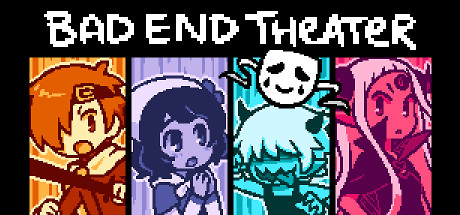
Shares Branching Narrative, Multiple Endings, Dialogue Trees, Dark Fantasy.
Both lean into Branching Narrative, Multiple Endings, Dialogue Trees, Dark Fantasy.
See all games like Undertale →
Closest hidden gems

A lesser-known kindred — Branching Narrative, Moral Choice, Multiple Endings, Dialogue Trees. 98% positive across 4,955 Steam reviews.
Both lean into Branching Narrative, Single-Player, Moral Choice, Campaign.
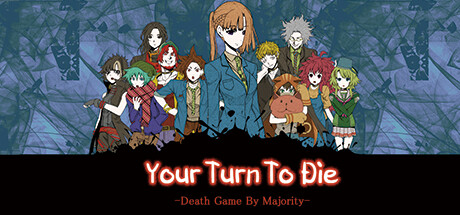
A lesser-known kindred — Branching Narrative, Moral Choice, Multiple Endings, Dialogue Trees. 98% positive across 4,238 Steam reviews.
Both lean into Single-Player, Campaign, Branching Narrative, Moral Choice.

A lesser-known kindred — Branching Narrative, Moral Choice, Multiple Endings, Dialogue Trees. 90% positive across 4,338 Steam reviews.
Both lean into Campaign, Branching Narrative, Single-Player, Moral Choice.