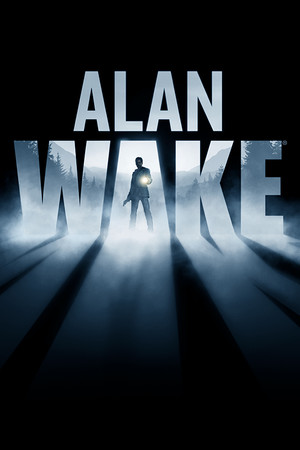
Alan Wake
Alan Wake is a psychological horror action-adventure game developed by Remedy Entertainment. The narrative centres on Alan Wake, a bestselling thriller novelist experiencing writer's block. He travels to the small town of Bright Falls with his wife, Alice, seeking a change of environment. Shortly after their arrival, Alice vanishes under mysterious circumstances. As Alan searches for her, he discovers pages of a thriller novel he does not recall writing. The events described in these pages begin to manifest in reality, and Alan encounters hostile supernatural entities known as the "Taken," who are controlled by darkness. The gameplay involves navigating Bright Falls and using light to combat these dark forces. The storyline explores themes of reality and fiction, along with the influence of the written word.
What it feels like
A persistent supernatural threat actively hunts Alan throughout, creating sustained dread of imminent danger from dark forces. Sustained pressure throughout as players navigate hostile zones, manage limited resources, and face imminent supernatural threats. Enigmatic secrets and withheld answers—the nature of the darkness, Alice's fate, and Alan's reality—pull the player forward.
What it's about
A novelist's grasp on reality frays as written fiction manifests as hostile supernatural threats, creating deep psychological unease alongside horror elements. Unraveling the mystery of Alice's disappearance and the nature of the supernatural darkness driving the narrative is central to the story. The collision of Alan's authorial identity with reality as his written words manifest explores questions of selfhood and authorial control.
How it plays
Combat relies heavily on aiming and firing weapons, particularly light-based firearms that are the primary tool against the Taken. Light sources and ammunition are scarce resources that must be managed carefully during combat encounters with the Taken. Alongside gunplay, close-quarters combat with light-based melee tools provides tactical variety against enemies.
How it looks and sounds
The game is viewed from behind Alan's shoulder, a core third-person perspective that frames combat and exploration throughout. The soundtrack uses sweeping orchestral elements to enhance atmospheric horror and emotional beats throughout the experience. Shadowy, night-heavy atmosphere with high contrast lighting between darkness and light as a defining visual motif.
How it's structured
A bounded, authored narrative arc with clear beginning, middle, and end structured around Alan's search and confrontation of the darkness. Designed exclusively for solo play with no multiplayer component, emphasizing personal psychological journey.
Kindred games
Shares Psychological Horror, Third-Person, Gunplay, Resource Management.
Both lean into Psychological Horror, Third-Person, Gunplay, Resource Management.

Shares Gunplay, Psychological Horror, Menacing, Tense.
Both lean into Campaign, Gunplay, Tense, Menacing.

Shares Third-Person, Psychological Horror, Gunplay, Mystery.
Both lean into Third-Person, Psychological Horror, Gunplay, Campaign.
See all games like Alan Wake →
Closest hidden gems
A lesser-known kindred — Psychological Horror, Identity & Self, Mystery, Mysterious. 89% positive across 4,523 Steam reviews.
Both lean into Psychological Horror, Identity & Self, Mystery, Single-Player.
A lesser-known kindred — Psychological Horror, Mystery, Menacing, Tense. 87% positive across 4,350 Steam reviews.
Both lean into Psychological Horror, Mystery, Campaign, Single-Player.

A lesser-known kindred — Mystery, Third-Person, Identity & Self, Memory. 90% positive across 4,965 Steam reviews.
Both lean into Mystery, Campaign, Third-Person, Single-Player.