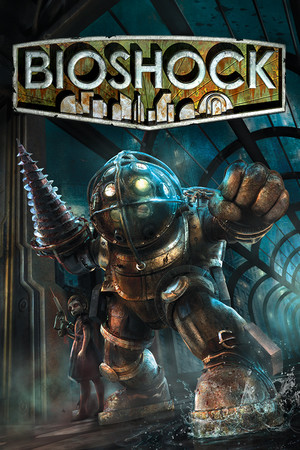
BioShock
BioShock is a horror-themed first-person shooter set in a steampunk underwater dystopia. The player is urged to turn everything into a weapon: biologically modifying their own body with Plasmids, hacking devices and systems, upgrading their weapons, crafting new ammo variants, and experimenting with different battle techniques are all possible. The game is described by the developers as a spiritual successor to their previous PC title System Shock 2. BioShock received high praise in critical reviews for its atmospheric audio and visual quality, absorbing and original plot and its unique gaming experience.
What it feels like
Rapture's crushing underwater weight, decay, and suffocating atmosphere pervade the experience. Slow-building anticipatory fear of what horrors lurk in the flooded corridors and darkened rooms. The city's secrets, audio logs, and plot twists maintain enigmatic tension throughout.
What it's about
Rapture embodies retro-futuristic underwater steampunk—brass, machinery, and industrial aesthetic. A failed utopian underwater society descended into oppressive chaos and moral collapse. Genetic modification, hacking, and speculative technology underpin the world.
How it plays
Core shooter mechanics with multiple weapons (revolvers, grenade launchers, chemical throwers) and tactical aiming. Multiple overlapping systemic rules (plasmids, hacking, weapons, environment interaction) permit varied player solutions. Plasmid genetic modification creates distinct character power combinations—biological customization drives playstyle.
How it looks and sounds
The core perspective throughout—shooter gameplay is experienced directly through the player character's eyes. Praised for atmospheric audio and sound design that drives immersion and dread more than melodic score. Worn, corroded steampunk infrastructure and biological decay define the visual landscape throughout.
How it's structured
Designed as a solo experience with no multiplayer component. A bounded, authored narrative arc with a definite beginning and ending. Every space in Rapture is deliberately authored by designers, not procedurally generated.
Kindred games

Shares First-Person, Immersive Sim, Science Fiction, Gunplay.
Both lean into Single-Player, First-Person, Immersive Sim, Science Fiction.
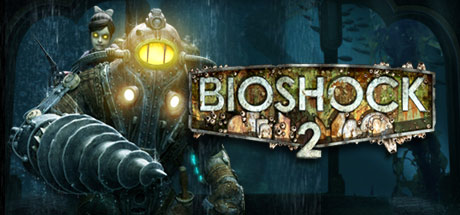
Shares First-Person, Gunplay, Dystopian, Oppressive.
Both lean into First-Person, Single-Player, Campaign, Gunplay.

Shares First-Person, Dread, Oppressive, Psychological Horror.
Both lean into Single-Player, First-Person, Campaign, Dread.
Closest hidden gems
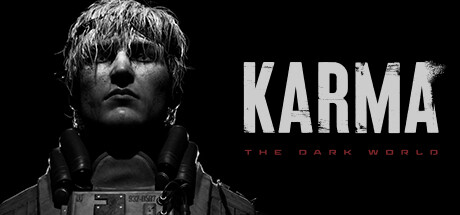
A lesser-known kindred — First-Person, Dystopian, Psychological Horror, Mysterious. 91% positive across 4,453 Steam reviews.
Both lean into First-Person, Single-Player, Dystopian, Psychological Horror.

A lesser-known kindred — First-Person, Dread, Oppressive, Mysterious. 86% positive across 4,772 Steam reviews.
Both lean into First-Person, Single-Player, Dread, Mysterious.

A lesser-known kindred — First-Person, Gritty, Dread, Psychological Horror. 87% positive across 4,350 Steam reviews.
Both lean into First-Person, Single-Player, Campaign, Gritty.