
Copycat
Copycat is a narrative-driven game that explores loneliness and belonging. It follows the story of Dawn, a hell-no-to-home-brand, pampered indoor cat living her best nine lives - until she becomes the target of an elaborate plan when a jealous stray look-alike steals her place in the home.
What it feels like
The core emotional register explores rejection, loss, and the loneliness of displacement with wistful sadness about home and belonging. The narrative-driven design invites reflection on identity, home, and belonging rather than action-focused play. Solitude and isolation of a small self separated from comfort and family is a pervasive emotional thread.
What it's about
Loneliness and being cut off from one's place of belonging is the central emotional subject of the story. The displacement by a look-alike copycat directly explores questions of selfhood and what defines identity beyond appearance. Home and familial bonds—the cat's relationship with her human family—drive the narrative arc and emotional stakes.
How it plays
Described as a walking simulator with exploration and interaction focused on examining environments and uncovering story. As a narrative-driven game with story-rich content, player interaction likely includes conversational branching.
How it looks and sounds
Steam tags and narrative setup suggest third-person perspective following the protagonist cat through the world. A game centered on a pampered indoor cat and its story likely employs adorable character design and charm.
How it's structured
Copycat is designed exclusively as a single-player narrative experience with no multiplayer component. The game follows a bounded, authored story arc centered on Dawn's journey from beloved pet to displacement and searching for belonging. As a narrative indie game, Copycat appears designed for completion in a few hours rather than extensive play.
Kindred games
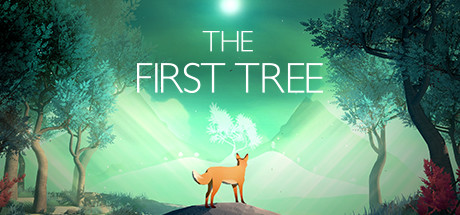
Shares Contemplative, Family, Grief & Loss, Third-Person.
Both lean into Single-Player, Campaign, Contemplative, Family.

Shares Melancholic, Grief & Loss, Contemplative, Bittersweet.
Both lean into Single-Player, Melancholic, Grief & Loss, Campaign.

Shares Melancholic, Contemplative, Family, Identity & Self.
Both lean into Single-Player, Campaign, Contemplative, Melancholic.
Closest hidden gems
A lesser-known kindred — Melancholic, Grief & Loss, Contemplative, Bittersweet. 87% positive across 4,685 Steam reviews.
Both lean into Single-Player, Melancholic, Grief & Loss, Campaign.

A lesser-known kindred — Melancholic, Grief & Loss, Contemplative, Point-and-Click. 95% positive across 4,380 Steam reviews.
Both lean into Single-Player, Campaign, Melancholic, Grief & Loss.

A lesser-known kindred — Melancholic, Isolation, Grief & Loss, Family. 98% positive across 4,955 Steam reviews.
Both lean into Single-Player, Melancholic, Campaign, Isolation.