
Death Stranding 2: On the Beach
Death Stranding 2: On the Beach is a third-person action-adventure game set in a post-apocalyptic world ravaged by otherworldly creatures. Players control Sam Porter Bridges, a retired porter, as he traverses the open worlds of Mexico and Australia to connect isolated survivors to a wireless communication network called the Chiral Network. The core gameplay revolves around delivering packages across hazardous terrain, managing cargo weight, building infrastructure like roads and monorails, and navigating natural disasters. Combat has a greater focus than its predecessor, offering lethal and non-lethal options alongside stealth approaches. The game features asynchronous online elements where players can build structures visible to others.
What it feels like
The haunting question 'should we have connected?' invites reflection on connectivity, isolation, and consequence. A grave, subdued atmosphere pervades a world of extinction threat and isolated survivors facing extinction. Despite the apocalyptic setting, the mission to save humanity and reconnect survivors carries an earned optimism.
What it's about
The world is ravaged by otherworldly creatures and societal collapse, setting the post-apocalyptic backdrop for survival and reconnection. Traversing hazardous terrain, managing resources, and enduring natural disasters form the core challenge of staying alive. Connecting survivors through the Chiral Network raises the question of technological connection and its role in human survival.
How it plays
Managing cargo weight, planning deliveries, and budgeting supplies under physical constraints is central to the core gameplay loop. Constructing roads, monorails, and infrastructure to connect isolated survivors is a major system alongside delivery missions. Stealth approaches are explicitly offered as a core combat option alongside lethal and non-lethal playstyles.
How it looks and sounds
The game is explicitly a third-person action-adventure following Sam Porter Bridges from behind. High-fidelity rendering typical of modern Kojima Productions design creates a detailed, grounded visual world.
How it's structured
Large continuous explorable spaces across Mexico and Australia form the primary setting where players navigate in largely non-linear order. Designed as a single-player experience with asynchronous elements rather than real-time multiplayer. Asynchronous online elements allow players to build visible structures for others, creating persistent world connectivity without direct multiplayer.
Kindred games
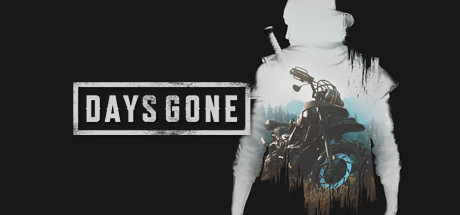
Shares Open World, Post-Apocalyptic, Resource Management, Third-Person.
Both lean into Open World, Post-Apocalyptic, Third-Person, Resource Management.
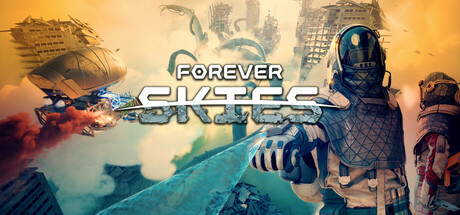
Shares Post-Apocalyptic, Base Building, Open World, Resource Management.
Both lean into Post-Apocalyptic, Base Building, Open World, Resource Management.
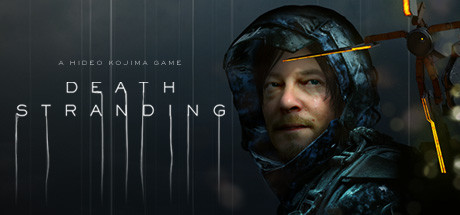
Shares Post-Apocalyptic, Third-Person, Open World, Resource Management.
Both lean into Single-Player, Third-Person, Post-Apocalyptic, Open World.
See all games like Death Stranding 2: On the Beach →
Closest hidden gems
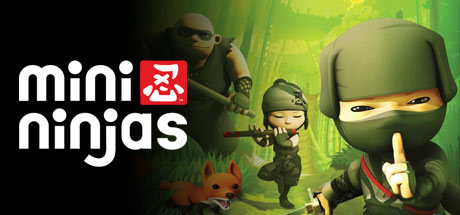
A lesser-known kindred — Open World, Stealth, Melee Combat, Third-Person. 90% positive across 4,775 Steam reviews.
Both lean into Open World, Stealth, Melee Combat, Third-Person.
A lesser-known kindred — Post-Apocalyptic, Resource Management, Survival Against Nature, Technology & Humanity. 87% positive across 4,363 Steam reviews.
Both lean into Post-Apocalyptic, Resource Management, Single-Player, Survival Against Nature.

A lesser-known kindred — Open World, Resource Management, Survival Against Nature, Melee Combat. 85% positive across 4,314 Steam reviews.
Both lean into Open World, Single-Player, Resource Management, Survival Against Nature.