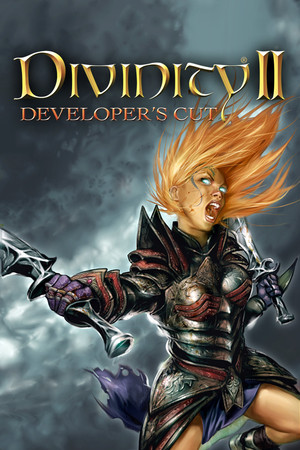
Divinity II: Ego Draconis
Dragons: they have been hunted, they have been slain, but now the hour to strike back has come. Divinity II is an action role-playing game developed by Larian Studios. Its first release in 2009 was subtitled Ego Draconis, and was published by DTP entertainment and in the United States by CDV Entertainment. The updated 2011 re-release The Dragon Knight Saga which included the expansion Flames of Vengeance, as well as the final 2012 release as Divinity II: Developer's Cut, were published by Focus Home Interactive. The defining feature of Divinity II is the ability to switch between aerial combat as a dragon, and more traditional third-person action-role playing gameplay as a human. It is the third game in the Divinity franchise, and the first Divinity game to be released on consoles as well as for Windows.
What it feels like
Steam tags and genre notes indicate comedy and humor weave throughout the narrative and tone. Becoming a dragon and striking back against dragon hunters conveys a sense of hard-won empowerment.
What it's about
A secondary world of dragons, magic, and fantasy adventure is the core setting. The player rises to confront dragons and their threat as a heroic endeavor.
How it plays
Dragon flight and aerial combat as a dragon form is a defining core mechanic and traversal system. Third-person action combat with fluid melee attacks and stylish execution is central to gameplay. Conversation choices and branching dialogue are typical of the adventure RPG experience.
How it looks and sounds
Third-person camera is the defining visual perspective throughout human gameplay. 2009-era fantasy visuals blend realistic proportions with an exaggerated, fantastical art style.
How it's structured
The game is explicitly designed as a single-player experience with no multiplayer component. An open world is a defining structural element, allowing exploration across a large explorable fantasy setting. The game features a bounded, authored story arc with a definite beginning and end.
Kindred games

Shares Third-Person, High Fantasy, Character Action, Open World.
Both lean into Third-Person, Single-Player, High Fantasy, Campaign.
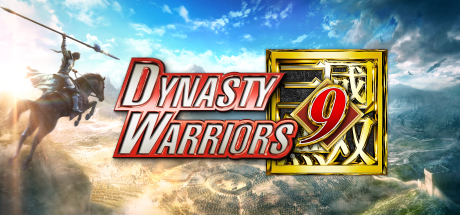
Shares Open World, Third-Person, Character Action, Triumphant.
Both lean into Open World, Third-Person, Character Action, Campaign.
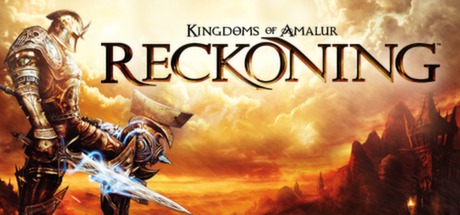
Shares Third-Person, High Fantasy, Open World, Character Action.
Both lean into High Fantasy, Third-Person, Open World, Campaign.
See all games like Divinity II: Ego Draconis →
Closest hidden gems
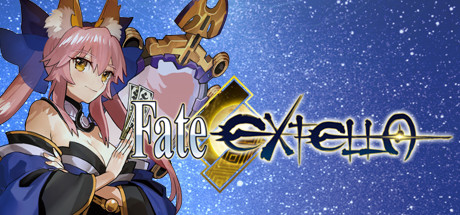
A lesser-known kindred — Third-Person, High Fantasy, Character Action, Class System. 91% positive across 4,466 Steam reviews.
Both lean into Single-Player, Third-Person, Campaign, High Fantasy.
A lesser-known kindred — Open World, Third-Person, Character Action, Lighthearted. 90% positive across 4,775 Steam reviews.
Both lean into Open World, Single-Player, Third-Person, Character Action.
A lesser-known kindred — High Fantasy, Heroic Quest, Triumphant, Class System. 88% positive across 4,251 Steam reviews.
Both lean into Campaign, High Fantasy, Heroic Quest, Triumphant.