
Tales of Zestiria
Tales of Zestiria is a Japanese role-playing game. It is the fifteenth main entry in the Tales series. As with previous entries in the Tales series, the game uses a variation of the action-based Linear Motion Battle System, with additional elements including a navigable open world, and the ability for certain characters to fuse into a single entity in battle to deliver powerful attacks. The story follows Sorey, a young man blessed with powers by a mystical spirit race known as the Seraphim who act as a stabilizing force in the land, as he travels to free the land of Glenwood from the threat of the Hellion, creatures spawned by negative emotions.
What it feels like
A sincere, heartfelt approach to the story of reuniting divided worlds and characters. Overcoming darkness and despair with hope and determination provides an underlying heroic momentum.
What it's about
An epic secondary world of mystical spirits (Seraphim), divine blessing, and good-versus-evil struggle against Malevolence. Sorey's transformative pilgrimage across Glenwood to reunite humans and Seraphim drives the narrative arc. Mystical spirit races and supernatural forces are central to the world and story.
How it plays
The Linear Motion Battle System is action-based with real-time combat emphasizing expressive, skill-driven melee execution. The player assembles and directs a party of distinct characters in battle. Real-time action combat likely uses lock-on targeting to manage positioning and spacing.
How it looks and sounds
The game uses a third-person camera perspective following the player character during exploration and combat. Japanese animation-inspired character design and visual language consistent with the Tales series aesthetic.
How it's structured
A bounded, authored story arc following Sorey's journey to stop the Hellion and reunite humans and Seraphim provides the narrative spine. Primarily designed as a single-player experience, though multiplayer and co-op options exist. The game features a navigable open world as a core structural element alongside its linear story progression.
Kindred games
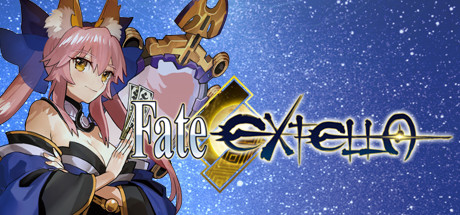
Shares Third-Person, Character Action, High Fantasy, Anime Style.
Both lean into Third-Person, Single-Player, Campaign, Character Action.
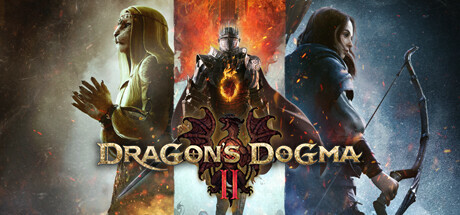
Shares Third-Person, Character Action, High Fantasy, Open World.
Both lean into Third-Person, Single-Player, Character Action, High Fantasy.
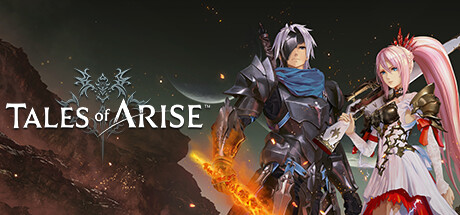
Shares High Fantasy, Third-Person, Character Action, Party Management.
Both lean into Campaign, High Fantasy, Third-Person, Character Action.
See all games like Tales of Zestiria →
Closest hidden gems
A lesser-known kindred — Third-Person, Character Action, High Fantasy, Anime Style. 91% positive across 4,466 Steam reviews.
Both lean into Third-Person, Single-Player, Campaign, Character Action.
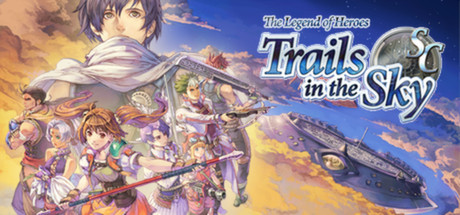
A lesser-known kindred — Party Management, High Fantasy, Journey & Pilgrimage, Open World. 98% positive across 4,325 Steam reviews.
Both lean into Campaign, Single-Player, Party Management, High Fantasy.
A lesser-known kindred — High Fantasy, Party Management, Class System, Triumphant. 88% positive across 4,251 Steam reviews.
Both lean into Campaign, High Fantasy, Party Management, Class System.