
F.E.A.R.
"F.E.A.R." (First Encounter Assault Recon) is a critically acclaimed first-person shooter game released in 2005, developed by Monolith Productions and published by Sierra Entertainment. Blending psychological horror with intense combat, "F.E.A.R." puts players in the role of a point man in a special forces team tasked with containing a mysterious and powerful paranormal threat. The game's advanced AI, atmospheric storytelling, and impressive graphics create a deeply immersive experience. Players must navigate through dark, foreboding environments, battling both human enemies and supernatural entities while uncovering the dark secrets behind the paranormal phenomena. Renowned for its tense atmosphere, dynamic firefights, and haunting narrative, "F.E.A.R." stands out as a landmark title in the horror shooter genre.
What it feels like
A slow-building anticipatory fear permeates the experience as players navigate dark environments and encounter supernatural phenomena. Sustained edge-of-seat pressure defines encounters, with advanced enemy AI and supernatural threats creating constant threat of costly mistakes. An active, present threat from both human and supernatural enemies clearly intends the player harm throughout the experience.
What it's about
Paranoia, unreliable perception, and the haunting paranormal threat form the core narrative and atmosphere, rooted in psychological dread rather than pure gore. The primary aim is to frighten and disturb through psychological horror, paranormal phenomena, and atmospheric dread. The paranormal threat is rooted in speculative sci-fi elements and technological mystery rather than purely supernatural horror.
How it plays
Aiming and firing firearms with tactile feedback is the central moment-to-moment interaction in combat encounters. Bullet-time slowing is a signature combat tool enabling tactical aiming and heightening the dynamic firefight experience. Combat flows in real-time with dynamic AI responses, though the bullet-time mechanic provides a quasi-pause option for tactical repositioning.
How it looks and sounds
The entire experience is delivered through a first-person perspective, defining how the player perceives and engages with the world. Dark, worn industrial environments with visible decay and military grittiness define the visual aesthetic. The visuals aim for high-fidelity realistic rendering, showcasing impressive graphics for 2005 with detailed environments and character models.
How it's structured
The game is designed exclusively as a single-player experience with no multiplayer integration in the core campaign. A bounded, authored story arc with a definite narrative beginning, middle, and end structures the single-player experience. Progress is driven through discrete authored environments and missions played in largely fixed order, though some environmental variation exists.
Kindred games
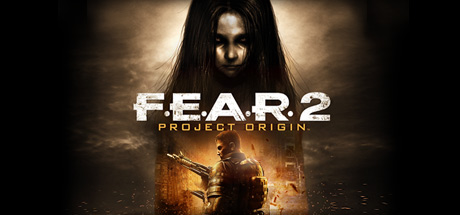
Shares First-Person, Gunplay, Psychological Horror, Bullet Time.
Both lean into First-Person, Gunplay, Psychological Horror, Bullet Time.
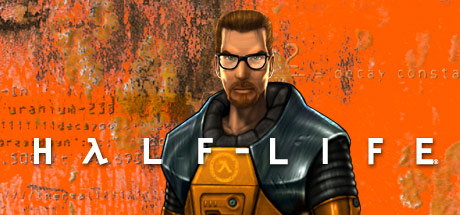
Shares First-Person, Gunplay, Science Fiction, Tense.
Both lean into First-Person, Gunplay, Single-Player, Campaign.
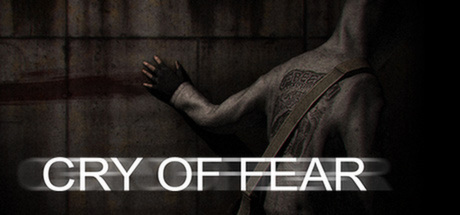
Shares First-Person, Psychological Horror, Dread, Gunplay.
Both lean into First-Person, Psychological Horror, Dread, Gunplay.
Closest hidden gems
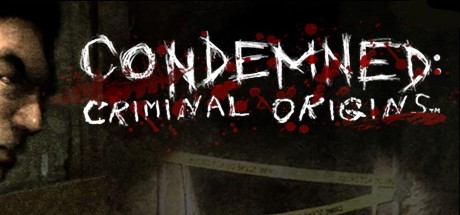
A lesser-known kindred — First-Person, Psychological Horror, Tense, Dread. 87% positive across 4,350 Steam reviews.
Both lean into First-Person, Single-Player, Campaign, Psychological Horror.

A lesser-known kindred — First-Person, Dread, Psychological Horror, Horror. 90% positive across 4,526 Steam reviews.
Both lean into Single-Player, First-Person, Dread, Psychological Horror.

A lesser-known kindred — First-Person, Gunplay, Melee Combat, Science Fiction. 91% positive across 4,914 Steam reviews.
Both lean into First-Person, Single-Player, Campaign, Gunplay.