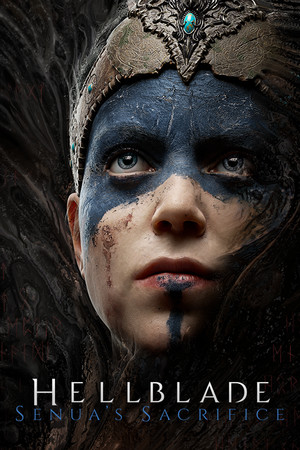
Hellblade: Senua's Sacrifice
Hellblade: Senua's Sacrifice is a single-player action-adventure game set in a dark fantasy world inspired by Norse mythology and Celtic culture. Players control Senua, a Pict warrior who journeys into the Norse underworld to rescue the soul of her dead lover from the goddess Hela. The game blends melee combat, puzzle solving, and psychological horror, with Senua's psychosis shaping how the world is perceived, including voices that provide guidance or attempt to mislead the player. The game was developed by a team of around twenty people and features no heads-up display or tutorials. Instead, audio cues from voices in Senua's head guide the player through combat and environmental challenges. The portrayal of psychosis was developed in collaboration with neuroscientists and people who experience the condition.
What it feels like
A pervasive wistful sadness and beauty in loss pervades the journey to rescue a dead lover; the tone finds tragic resonance in grief and decline. Grave, subdued seriousness with the hush of mourning dominates; the atmosphere is quiet and heavy throughout. Active present threat and hostile forces—both internal and external—create sustained dread; enemies and the underworld itself intend harm.
What it's about
The game is fundamentally set in a dark, decayed fantasy world inspired by Norse mythology with a psychologically tormented protagonist navigating bleakness and mythological horror. Psychosis and mental distress are the core narrative and mechanical drivers; Senua's fractured perception shapes gameplay, audio, and environmental interpretation. The game's central subject is Senua's lived experience with psychosis, developed in collaboration with neuroscientists and people with the condition; this is not a periphery theme.
How it plays
Combat is a significant interactive system where Senua fights enemies using deliberate, stamina-conscious strikes in a dark Norse setting. Environmental puzzles woven into the world—perspective-based and spatial challenges—are a clear secondary gameplay pillar. Combat emphasizes deliberate, stamina-gated melee with careful spacing and timing; enemy attacks punish carelessness and reward patience.
How it looks and sounds
High-fidelity rendering aims for visual realism grounding the mythological world in authentic texture and lighting. No heads-up display; the interface is integrated into the world and Senua's perception through audio cues and environmental guidance. Audio is foregrounded and immersive; voices in Senua's head guide and mislead, making sound design integral to experience.
How it's structured
The game is designed for solo play with no multiplayer component; the single-player journey is central to the intimate psychological experience. A bounded, authored story arc with a clear beginning, middle, and definite end; the rescue quest has narrative closure.
Kindred games
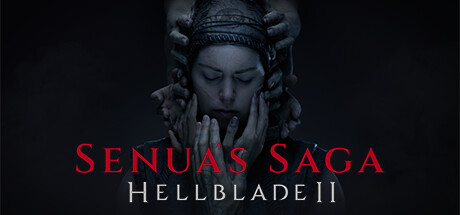
Shares Dark Fantasy, Psychological Horror, Melee Combat, Mental Health.
Both lean into Dark Fantasy, Psychological Horror, Single-Player, Melee Combat.
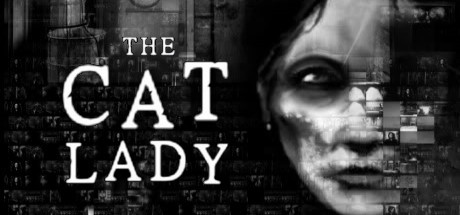
Shares Psychological Horror, Mental Health, Melancholic, Somber.
Both lean into Single-Player, Psychological Horror, Mental Health, Melancholic.

Shares Psychological Horror, Somber, Melee Combat, Environmental Puzzles.
Both lean into Single-Player, Psychological Horror, Somber, Melee Combat.
See all games like Hellblade: Senua's Sacrifice →
Closest hidden gems
A lesser-known kindred — Melancholic, Somber, Environmental Puzzles, Identity & Self. 95% positive across 4,847 Steam reviews.
Both lean into Single-Player, Campaign, Melancholic, Somber.
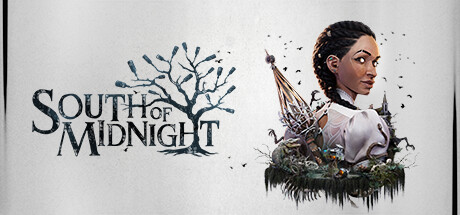
A lesser-known kindred — Dark Fantasy, Melancholic, Somber, Environmental Puzzles. 94% positive across 4,636 Steam reviews.
Both lean into Single-Player, Dark Fantasy, Campaign, Melancholic.
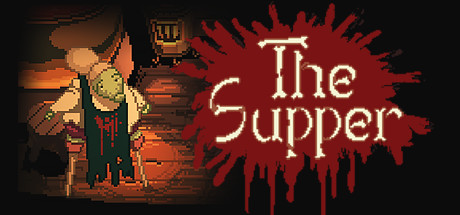
A lesser-known kindred — Psychological Horror, Mental Health, Menacing, Identity & Self. 99% positive across 4,402 Steam reviews.
Both lean into Single-Player, Psychological Horror, Mental Health, Menacing.