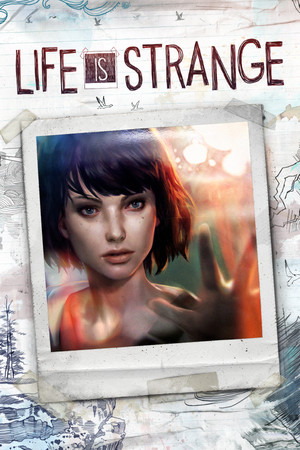
Life Is Strange
Life Is Strange is a five part episodic game that sets out to revolutionize story based choice and consequence games by allowing the player to rewind time and affect the past, present and future.
What it feels like
An unhurried invitation to reflect, interpret, and sit with emotional and moral themes. A pervasive wistful sadness and quiet beauty in loss and difficult choices permeates the experience. Joy and sorrow felt at once, where discoveries and connections carry unavoidable costs.
What it's about
Unraveling hidden truths and supernatural phenomena structures the episodic experience. Rewinding and manipulating time is central to the narrative and the setting's rules. A young protagonist navigating adolescence, emotional growth, and life-changing choices.
How it plays
Rewinding time to affect past, present, and future is the signature core mechanic enabling player agency and story choice. Player dialogue choices and branching conversation trees drive interaction and narrative outcomes throughout. Weighty ethical decisions shape the story and how the protagonist is perceived by other characters.
How it looks and sounds
The camera follows Max from behind or over the shoulder through the world.
How it's structured
The game is explicitly structured as five distinct episodes with a narrative arc across them. Designed as a solo experience with no multiplayer component. Player choices fork the story into meaningfully different paths and outcomes across episodes.
Kindred games
Shares Episodic, Dialogue Trees, Third-Person, Moral Choice.
Both lean into Episodic, Single-Player, Dialogue Trees, Third-Person.

Shares Episodic, Dialogue Trees, Mystery, Moral Choice.
Both lean into Episodic, Single-Player, Dialogue Trees, Mystery.
Shares Dialogue Trees, Moral Choice, Branching Narrative, Mystery.
Both lean into Single-Player, Dialogue Trees, Branching Narrative, Mystery.
See all games like Life Is Strange →
Closest hidden gems

A lesser-known kindred — Mystery, Third-Person, Dialogue Trees, Point-and-Click. 90% positive across 4,965 Steam reviews.
Both lean into Single-Player, Mystery, Third-Person, Dialogue Trees.

A lesser-known kindred — Dialogue Trees, Coming of Age, Moral Choice, Branching Narrative. 94% positive across 4,870 Steam reviews.
Both lean into Single-Player, Dialogue Trees, Coming of Age, Branching Narrative.

A lesser-known kindred — Time Travel, Third-Person, Melancholic, Dialogue Trees. 87% positive across 4,685 Steam reviews.
Both lean into Single-Player, Time Travel, Third-Person, Melancholic.