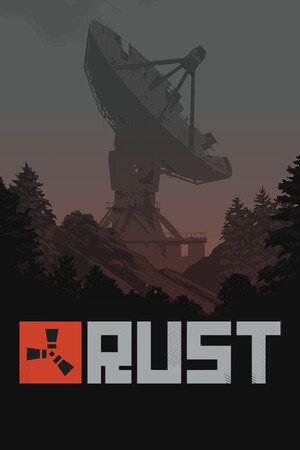
Rust
Rust is a multiplayer survival game set on a procedurally generated island where players must manage hunger, thirst, and health while contending with hostile wildlife and other players. Starting with only a rock and torch, players gather resources, craft tools, weapons, and structures, and form or fight against clans in a persistent open world that resets on a regular wipe cycle. Originally developed as a clone of DayZ with Minecraft-style crafting elements, the game spent over four years in early access before its full release in 2018.
What it feels like
Persistent threat of death, resource scarcity, and unpredictable PvP encounters create sustained edge-of-seat pressure. An active present threat from other players, wildlife, and environmental hazards clearly intends player harm.
What it's about
Enduring a hostile natural and social world—starvation, wildlife, player violence—is the central structural struggle. The island setting evokes post-collapse survival though lore is minimal; the rubble and decay atmosphere supports the ruined-world feel.
How it plays
Managing hunger, thirst, and health to stay alive against environmental pressure is definitional to the Rust experience. Gathering materials and combining them into tools, weapons, and structures via recipes is a central progression loop. Constructing and expanding fortified bases is core to player strategy, resource protection, and clan identity.
How it looks and sounds
The world is seen directly through the player character's eyes in first-person perspective.
How it's structured
Rust's core design centers on a shared persistent world where the island and player constructions continue to exist and evolve independent of any individual player's presence. A large continuous procedurally generated island is explorable in largely non-linear order with freedom to move and establish bases anywhere accessible. Players contend with both hostile environmental threats (wildlife, starvation) and direct PvP conflict with other survivors simultaneously.
Kindred games
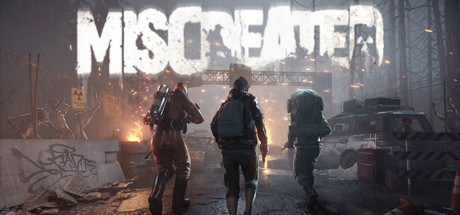
Shares Survival Needs, Open World, Crafting, Persistent World.
Both lean into Survival Needs, Open World, Crafting, Persistent World.
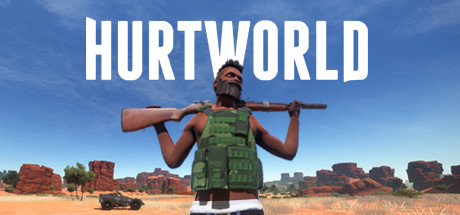
Shares First-Person, Survival Needs, Survival Against Nature, Open World.
Both lean into First-Person, Survival Needs, Survival Against Nature, Open World.

Shares Survival Needs, Open World, Crafting, Sandbox.
Both lean into Survival Needs, Open World, Crafting, Sandbox.
Closest hidden gems

A lesser-known kindred — Sandbox, Survival Needs, Open World, Survival Against Nature. 88% positive across 4,765 Steam reviews.
Both lean into Sandbox, Open World, Survival Needs, Survival Against Nature.
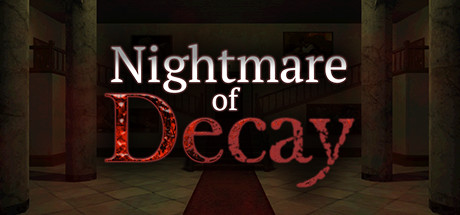
A lesser-known kindred — First-Person, Survival Needs, Survival Against Nature, Gunplay. 96% positive across 4,352 Steam reviews.
Both lean into First-Person, Survival Needs, Gunplay, Survival Against Nature.
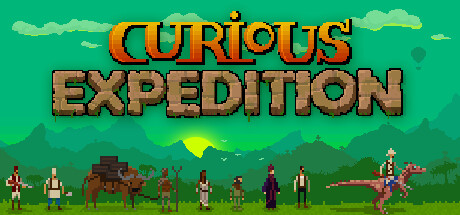
A lesser-known kindred — Procedural Levels, Survival Needs, Survival Against Nature, Resource Management. 91% positive across 4,486 Steam reviews.
Both lean into Procedural Levels, Survival Needs, Resource Management, Survival Against Nature.