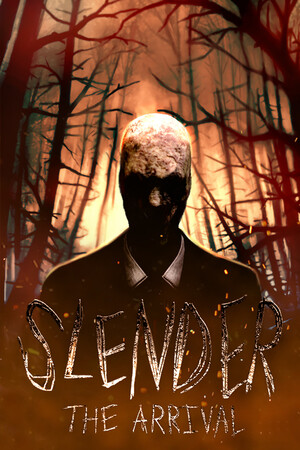
Slender: The Arrival
Slender: The Arrival is the official continuation of the series from the original game creator Mark Hadley, teamed up with the writers behind the Marble Hornets series and the development team at Blue Isle Studios. The Arrival features a brand new storyline, improved visuals and most importantly, survival horror at its best. Slender: The Arrival now officially supports the Oculus Rift – a next generation virtual headset designed for super immersive gaming! The Rift intensifies the fear-factor, and gives players a brand new, immersive horror experience.
What it feels like
A slow-building anticipatory fear of the Slender Man's inevitable approach permeates the experience. The game emphasizes isolation—'You're on your own. No one to help you. No one to hear you scream'—creating a pervasive solitude. An active, present threat that clearly intends the player harm is embodied in the Slender Man's relentless pursuit.
What it's about
Horror is the primary creative aim—the game is explicitly designed to frighten and disturb the player with Slender Man as the central threat. The horror relies heavily on psychological dread, paranoia, and the threat of an unseen stalker rather than explicit gore or jump-scares alone. Being cut off and alone against an unknowable force is central to the thematic and emotional experience.
How it plays
Avoiding detection by and evading the Slender Man through stealth and avoidance is a core survival mechanic. Monitoring the Slender Man's presence and proximity—detecting when he is near—drives moment-to-moment tension. Players must manage limited resources (flashlight battery, possibly health) under pressure while being hunted.
How it looks and sounds
The game is experienced entirely from a first-person perspective, foundational to the survival horror atmosphere. Immersive diegetic sound design—breathing, footsteps, distortion, ambient unease—is foregrounded over musical score. The sound design emphasizes sparse, unsettling audio cues and silence to heighten tension rather than constant musical score.
How it's structured
The game is designed as a solo experience with no cooperative or competitive multiplayer; single-player survival is central. The game is designed for relatively short, intense play sessions rather than a sprawling long-haul experience.
Kindred games

Shares First-Person, Psychological Horror, Horror, Dread.
Both lean into First-Person, Single-Player, Psychological Horror, Horror.
Shares First-Person, Dread, Psychological Horror, Horror.
Both lean into First-Person, Dread, Single-Player, Psychological Horror.
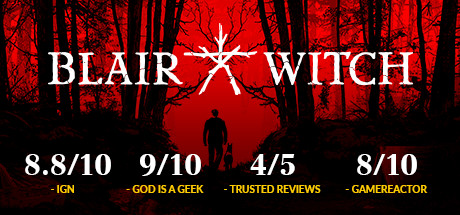
Shares First-Person, Psychological Horror, Dread, Horror.
Both lean into First-Person, Psychological Horror, Dread, Single-Player.
See all games like Slender: The Arrival →
Closest hidden gems

A lesser-known kindred — First-Person, Horror, Dread, Psychological Horror. 90% positive across 4,526 Steam reviews.
Both lean into Single-Player, First-Person, Horror, Dread.

A lesser-known kindred — First-Person, Dread, Isolation, Lonely. 86% positive across 4,772 Steam reviews.
Both lean into First-Person, Dread, Single-Player, Isolation.
A lesser-known kindred — First-Person, Psychological Horror, Dread, Menacing. 87% positive across 4,350 Steam reviews.
Both lean into First-Person, Single-Player, Psychological Horror, Dread.