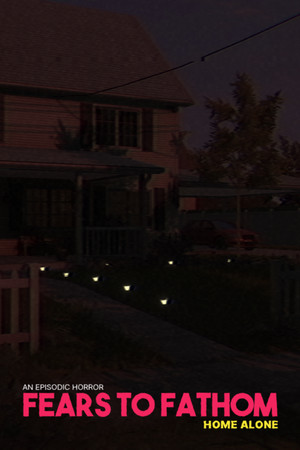
Fears to Fathom: Home Alone
Fears to Fathom: Home Alone is a first-person psychological horror game and the first entry in the Fears to Fathom anthology series. Players follow Miles, a 14-year-old boy left home alone for the night while his parents are away. As strange and unsettling events begin occurring around the house, Miles must survive the night while avoiding a mysterious intruder. The game features a VHS-inspired visual style, immersive atmosphere, and narrative-driven gameplay focused on tension and realism.
What it feels like
The entire game builds slow-burning anticipatory fear as strange events mount and an intruder presence grows palpable. Sustained edge-of-seat pressure pervades the experience as the player must survive the night while avoiding detection and harm. The isolation of a young person alone in a house at night creates pervasive solitude and vulnerability as emotional backdrop.
What it's about
The game explicitly centers on psychological horror with an emphasis on dread and mental tension rather than jump scares, using unsettling atmosphere and a home-invasion scenario. A 14-year-old boy alone in his house at night forms the core premise and emotional anchor of the experience. Psychological horror is the primary design goal, intended to frighten and disturb through atmosphere and narrative threat.
How it plays
Avoiding the mysterious intruder through careful movement, sound awareness, and hiding is a core survival mechanic. The intruder's presence and line-of-sight awareness drive tension as the player must read threats and respond carefully. Staying alive through the night and avoiding the intruder represents a basic survival pressure underlying moment-to-moment play.
How it looks and sounds
The entire experience is viewed through Miles's eyes in first-person perspective, making it definitional to the immersive survival horror design. VHS-inspired aesthetic and psychological horror emphasis suggest sparse, diegetic sound design letting silence and ambient noise carry tension. VHS aesthetic typically involves desaturated, low-fidelity color grading that mutes the visual palette.
How it's structured
Designed exclusively for solo play with no multiplayer component. As an episodic anthology entry, the game is a contained single-night experience completable in a few hours. The episode has a clear narrative arc beginning with Miles's solitude and ending when the night concludes or a resolution occurs.
Kindred games
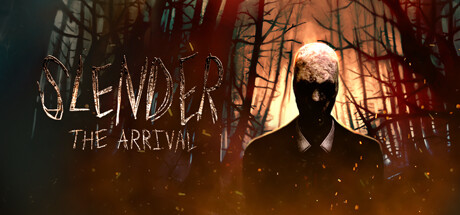
Shares First-Person, Psychological Horror, Horror, Dread.
Both lean into First-Person, Single-Player, Psychological Horror, Horror.
Shares First-Person, Psychological Horror, Dread, Stealth.
Both lean into First-Person, Psychological Horror, Dread, Single-Player.
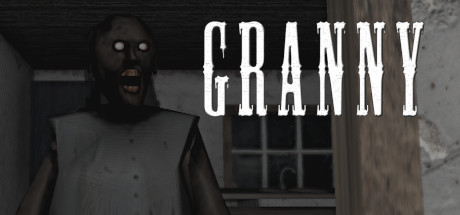
Shares First-Person, Tense, Stealth, Horror.
Both lean into Single-Player, First-Person, Tense, Stealth.
See all games like Fears to Fathom: Home Alone →
Closest hidden gems

A lesser-known kindred — First-Person, Psychological Horror, Dread, Horror. 90% positive across 4,526 Steam reviews.
Both lean into Single-Player, First-Person, Psychological Horror, Dread.
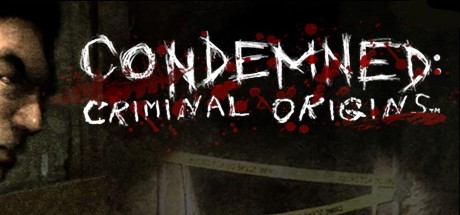
A lesser-known kindred — First-Person, Psychological Horror, Tense, Dread. 87% positive across 4,350 Steam reviews.
Both lean into First-Person, Single-Player, Psychological Horror, Tense.
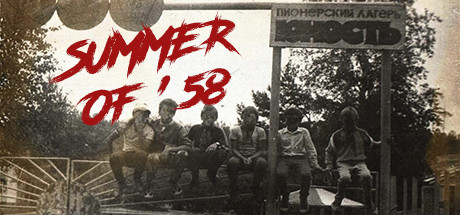
A lesser-known kindred — First-Person, Psychological Horror, Dread, Lonely. 89% positive across 4,904 Steam reviews.
Both lean into First-Person, Single-Player, Psychological Horror, Dread.