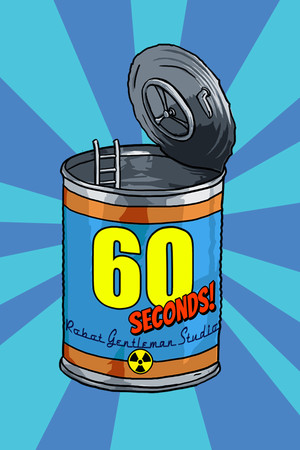
60 Seconds!
As Ted, a responsible citizen and a family man, you are faced with a slight disturbance to your happy, suburban lifestyle. THE NUCLEAR APOCALYPSE. With only 60 seconds left to impact, guide Ted in a mad, intense and action packed dash through his house in search of his family and useful supplies. Everything will be against you - time, your very own furniture, the house that's different every time you play and the fundamental question - what to take with you and who to leave behind? Reaching the fallout shelter in time and alive is only the beginning. Whatever you scavenged and whoever you saved will play a vital role in your survival. Each survival story will be different, with every day surprising you with unexpected events. Will all of these stories end well? It's up to you. Ration food and water, make best use of your supplies, face difficult choices and even venture into the wasteland.
What it feels like
The 60-second dash is deliberately chaotic and overwhelming, with furniture, time, and randomized layouts creating controlled panic. Despite the comedy, the core situation—nuclear apocalypse, resource scarcity, forced choices about who survives—carries an undercurrent of hopelessness. Described as dark comedy; the absurdist premise of rationing and bunker life is treated with irreverent, darkly humorous tone.
What it's about
Nuclear apocalypse and fallout shelter survival are the entire thematic foundation and setting. Enduring in a hostile post-nuclear world with rationed resources and unexpected wasteland challenges is the central struggle. The opening imperative to rescue your family and the ongoing tension between family members and survival resources drives emotional stakes.
How it plays
Rationing food and water in the shelter and deciding what supplies to grab in 60 seconds are the core decision-making loops driving survival. The 60-second countdown creates relentless pressure to prioritize: family members vs. supplies vs. reaching the shelter in time. The game forces wrenching decisions about who to rescue and how to allocate scarce resources, with consequences that ripple through the story.
How it looks and sounds
The scavenging phase is presented from a top-down perspective as Ted navigates the house layout. The visual presentation uses deliberate low-resolution pixel art consistent with indie game aesthetics of the era.
How it's structured
Designed exclusively for solo play with no multiplayer component; the entire experience is authored for a single player making decisions. The core loop divides play into discrete scavenging runs with a 60-second dash phase, followed by shelter survival where choices and resources from that run determine outcomes; death or failure resets the attempt. Each attempt repeats the bounded 60-second dash and subsequent shelter survival cycle, with knowledge and acquired supplies carrying forward across resets.
Kindred games

Shares Run-Based, Post-Apocalyptic, Survival Against Nature, Resource Management.
Both lean into Run-Based, Single-Player, Post-Apocalyptic, Resource Management.

Shares Post-Apocalyptic, Survival Against Nature, Resource Management, Bleak.
Both lean into Post-Apocalyptic, Survival Against Nature, Resource Management, Bleak.
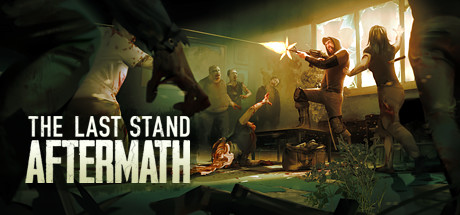
Shares Post-Apocalyptic, Run-Based, Survival Against Nature, Top-Down.
Both lean into Post-Apocalyptic, Single-Player, Run-Based, Survival Against Nature.
See all games like 60 Seconds! →
Closest hidden gems
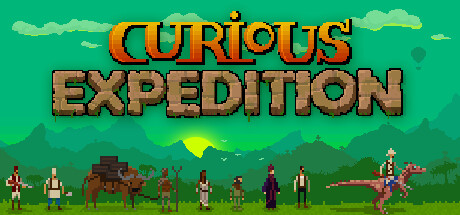
A lesser-known kindred — Run-Based, Resource Management, Survival Against Nature, Procedural Levels. 91% positive across 4,486 Steam reviews.
Both lean into Run-Based, Single-Player, Resource Management, Survival Against Nature.
A lesser-known kindred — Top-Down, Run-Based, Frantic, Survival Against Nature. 99% positive across 4,500 Steam reviews.
Both lean into Top-Down, Run-Based, Frantic, Survival Against Nature.
A lesser-known kindred — Post-Apocalyptic, Resource Management, Survival Against Nature, Time Management. 87% positive across 4,363 Steam reviews.
Both lean into Post-Apocalyptic, Resource Management, Single-Player, Survival Against Nature.