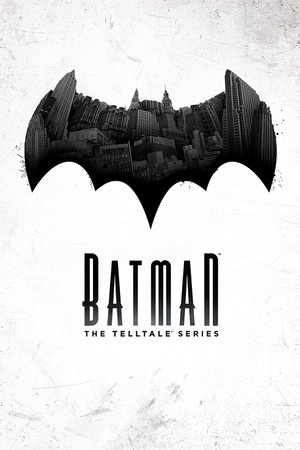
Batman: The Telltale Series
Batman: The Telltale Series is an episodic graphic adventure game developed by Telltale Games, first released in 2016. The game offers a narrative-focused experience, where players control Bruce Wayne and his alter ego, Batman, making choices that shape the story and relationships with characters. The plot explores Bruce Wayne’s struggle to uncover corruption in Gotham City, while confronting revelations about his family’s past. The game features dialogue-driven gameplay, quick-time combat, and detective sequences. Decisions carry over across episodes, influencing the narrative’s direction and character arcs.
What it feels like
The revelations about Bruce's family past and hidden truths about Gotham create an enigmatic, unfolding sense of secrets and intrigue. A grave, subdued seriousness pervades the noir-tinged narrative of moral struggle and dark choices. The focus on entering Bruce's fractured psyche invites reflection on identity, morality, and the cost of his dual life.
What it's about
Bruce Wayne investigates corruption in Gotham and uncovers secrets, with detective sequences playing a role in gameplay. The struggle between Bruce Wayne and Batman, and the question of who he truly is, forms a central thematic concern. The game explicitly explores the fractured psyche of Bruce Wayne, examining psychological tension and trauma underlying Batman's identity.
How it plays
Branching conversation choices are central to interaction and drive decisions that shape character relationships and narrative direction. Interaction is driven by clicking hotspots and choosing dialogue options, typical of Telltale's point-and-click adventure format. Weighty ethical decisions shape how Bruce Wayne operates and influence relationships with key characters throughout the narrative.
How it looks and sounds
The Steam tags and noir theme suggest shadowy cinematography and dark visual styling consistent with film noir conventions. As a Batman game with strong visual novel elements, the aesthetic draws from comic book presentation and framing.
How it's structured
The game is explicitly structured as episodic content released across multiple episodes, a definitional feature of Telltale's design approach. Designed exclusively as a single-player narrative experience with no multiplayer component. Player choices fork the story into meaningfully different paths and outcomes across episodes, with decisions carrying narrative weight.
Kindred games
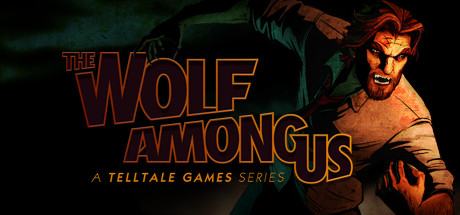
Shares Episodic, Dialogue Trees, Branching Narrative, Point-and-Click.
Both lean into Single-Player, Episodic, Dialogue Trees, Branching Narrative.
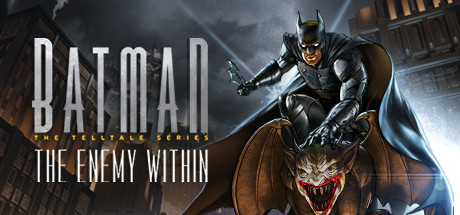
Shares Episodic, Branching Narrative, Dialogue Trees, Point-and-Click.
Both lean into Single-Player, Episodic, Branching Narrative, Dialogue Trees.

Shares Episodic, Branching Narrative, Dialogue Trees, Detective.
Both lean into Episodic, Branching Narrative, Single-Player, Dialogue Trees.
See all games like Batman: The Telltale Series →
Closest hidden gems
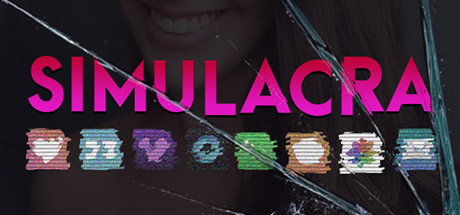
A lesser-known kindred — Point-and-Click, Branching Narrative, Psychological Horror, Mysterious. 90% positive across 4,661 Steam reviews.
Both lean into Single-Player, Point-and-Click, Branching Narrative, Psychological Horror.
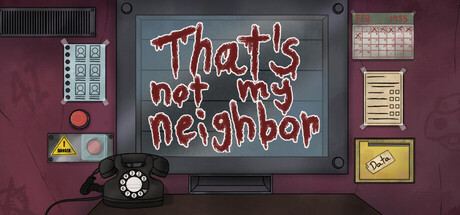
A lesser-known kindred — Point-and-Click, Dialogue Trees, Identity & Self, Psychological Horror. 89% positive across 4,523 Steam reviews.
Both lean into Single-Player, Point-and-Click, Dialogue Trees, Identity & Self.

A lesser-known kindred — Point-and-Click, Dialogue Trees, Detective, Mysterious. 93% positive across 4,466 Steam reviews.
Both lean into Point-and-Click, Dialogue Trees, Detective, Single-Player.