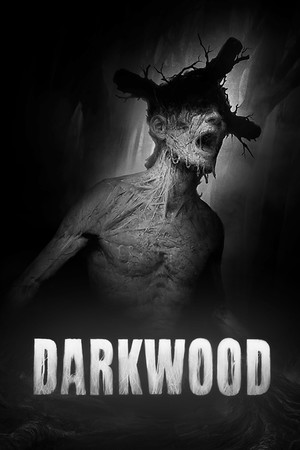
Darkwood
Darkwood is a unforgiving survival horror with a procedurally generated, open world. By blending RPG, roguelike and adventure elements together with a challenging difficulty, Darkwood aims to please players craving for a deep and rewarding experience. The fear of unknown is powerful. Your senses will be deceived by Darkwood's surreal terrors. No answer will be given to you for free, yet somewhere in the woods lies the truth, an explanation to what has happened in this godforsaken place. By day, explore the randomly generated woods, scavenge for materials and weapons, discover secrets, solve mysteries and talk, trade with or kill the various inhabitants of Darkwood. By night, return to your hideout, barricade, set up traps and hide or defend yourself from the horrors that lurk in the dark.
What it feels like
Slow-building anticipatory fear of the horrors that come at night structures the emotional rhythm. The godforsaken place and relentless nightly threats create a crushing, suffocating atmosphere. Surreal terrors and deception of senses suggest wrongness and a subtly twisted reality.
What it's about
Survival horror is the primary genre, aiming to frighten and disturb through atmospheric tension. Surreal terrors and the unknown as a source of fear, combined with psychological dread, are central. The narrative is built around uncovering the truth of what happened; mysteries are scattered and require exploration.
How it plays
Scavenging for materials and weapons, managing limited supplies for barricading and defense, is central to survival. Survival horror centered on managing threats and resources to stay alive through the night is a core loop. The hideout must be barricaded and defended nightly, functioning as a base to prepare and fortify.
How it looks and sounds
Steam tags and the described free-roam exploration strongly suggest a top-down perspective for navigating the woods. Indie horror from 2017; the visual style appears to be pixel-based given the top-down view and atmospheric indie aesthetic. Survival horror atmosphere typically employs desaturated, subdued colors to enhance dread.
How it's structured
Explicitly single-player with no multiplayer component. The day/night cycle is fundamental to the design: daytime exploration and resource gathering contrast sharply with nighttime barricading and survival. A core feature is the free-roam, randomly-generated woods explorable by day in largely non-linear fashion, though structured around day/night cycles.
Kindred games

Shares Horror, Open World, Dread, Survival Needs.
Both lean into Horror, Single-Player, Open World, Survival Needs.
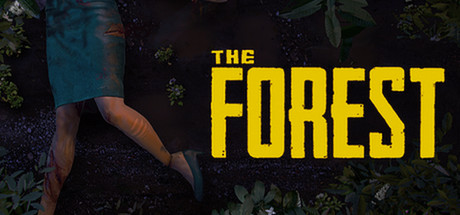
Shares Horror, Dread, Survival Needs, Open World.
Both lean into Horror, Single-Player, Survival Needs, Dread.

Shares Horror, Dread, Resource Management, Survival Needs.
Both lean into Single-Player, Horror, Resource Management, Dread.
Closest hidden gems
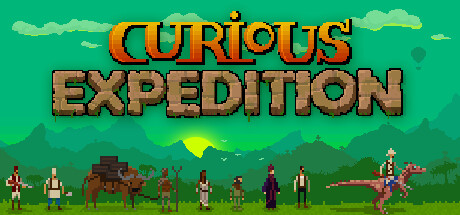
A lesser-known kindred — Procedural Levels, Resource Management, Run-Based, Survival Needs. 91% positive across 4,486 Steam reviews.
Both lean into Single-Player, Procedural Levels, Resource Management, Run-Based.

A lesser-known kindred — Dread, Horror, Psychological Horror, Uncanny. 90% positive across 4,526 Steam reviews.
Both lean into Single-Player, Dread, Horror, Psychological Horror.

A lesser-known kindred — Psychological Horror, Mystery, Dread, Uncanny. 90% positive across 4,661 Steam reviews.
Both lean into Single-Player, Psychological Horror, Mystery, Dread.