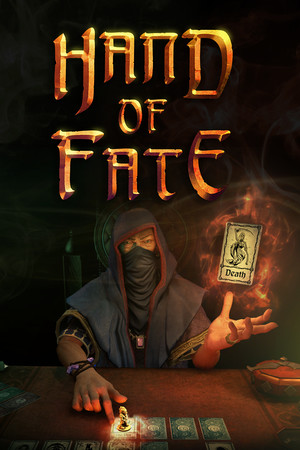
Hand of Fate
Inspired by tarot and fantasy, all bets are off as you create your own journey by building a collection of cards used to deal out a boardgame-like dungeon teeming with enemies, treasure, and adventure. Upon entering combat, the cards come to life as the player is propelled into a beautiful 3D environment to brawl it out with foes. Draw your cards, play your hand, and discover your fate.
What it feels like
The tarot/card-game framing and the titular 'Dealer' figure create an enigmatic, fortune-telling atmosphere where outcomes are shaped by hidden hands. The narrative frames the game as a serious game of fate and consequence, treating card outcomes and deck strategy with sincere thematic weight.
What it's about
The setting draws on fantasy adventure elements—enemies, treasure, quests, and tarot-inspired mystical framing—though grounded by a more intimate cabin-bound narrative. The tarot-inspired concealment of card effects and the hidden Dealer driving events creates an overarching mystery about fate and the game's true nature.
How it plays
Building and refining a custom deck is the primary progression and strategic foundation—players earn cards, construct their deck, then test it, making deckbuilding definitional. The boardgame-like structure with cards uses turn-based decision-making, where drawn cards determine outcomes before transitioning to 3D combat encounters. Earning new cards with varying rarity and effects from encounters is a core loop that drives deck progression and reward satisfaction.
How it looks and sounds
Combat encounters shift to a third-person perspective following the player character as they brawl against enemies in 3D space. Card artwork and the tarot aesthetic employ hand-drawn visual style, though the 3D combat environments use conventional 3D rendering.
How it's structured
Explicitly designed and marketed as a solo experience with no multiplayer component; all progression and engagement is single-player focused. Hand of Fate explicitly structures play around discrete runs/quests where players attempt to defeat their own deck; failure resets the attempt, which is a defining run-based loop. The deckbuilding system combined with run-based structure and variable card draws creates substantial variance across playthroughs, explicitly marketed as 'infinitely replayable.'
Kindred games

Shares Deckbuilding, Run-Based, High Replayability, Character Action.
Both lean into Deckbuilding, Single-Player, Run-Based, High Replayability.
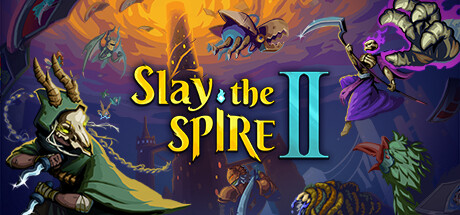
Shares Deckbuilding, Run-Based, Turn-Based Combat, Loot & Drops.
Both lean into Deckbuilding, Run-Based, Single-Player, Turn-Based Combat.
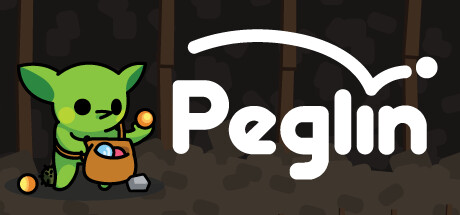
Shares Deckbuilding, Run-Based, Turn-Based Combat, High Replayability.
Both lean into Run-Based, Deckbuilding, Turn-Based Combat, Single-Player.
See all games like Hand of Fate →
Closest hidden gems
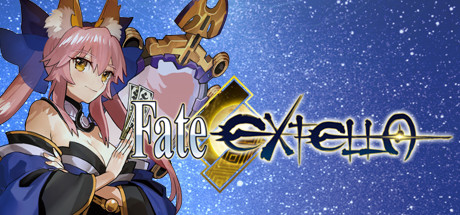
A lesser-known kindred — Hack-and-Slash, Third-Person, Character Action, High Fantasy. 91% positive across 4,466 Steam reviews.
Both lean into Single-Player, Hack-and-Slash, Third-Person, Campaign.
A lesser-known kindred — Run-Based, Loot & Drops, Hack-and-Slash, High Replayability. 95% positive across 4,427 Steam reviews.
Both lean into Single-Player, Run-Based, Loot & Drops, Hack-and-Slash.
A lesser-known kindred — Deckbuilding, Run-Based, Turn-Based Combat. 96% positive across 4,321 Steam reviews.
Both lean into Deckbuilding, Single-Player, Run-Based, Turn-Based Combat.