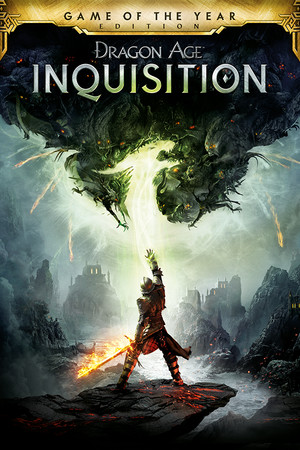
Dragon Age: Inquisition
Dragon Age: Inquisition is a role-playing game and the third main game in the Dragon Age series. It is set in the Thedas continent, the same fantasy world as the two previous games. It consist of two large countries: Ferelden (from Dragon Age: Origins) and Orlais, as well as the land inbetween. True to the spirit of the series the character can be customized for appearance, sex, class and race. The available races are dwarf, elf, human, and Qunari and the classes are mage, rogue, and warrior with three specializations each. To grow the Inquisition experience needs to be earned by completing quests, which allows the player to further define allegiances and pursue romances. A custom party can be defined and each member benefits from experience as it opens up access to better weapons and more abilities. Power points open up new areas and Inquisition points define the influence over the region; each new level provides a perk that benefits the entire Inquisition.
What it feels like
The emotional beats—romances, ally loss, moral dilemmas—are played sincerely and with investment in character arcs. A grave, subdued tone hangs over much of the world-building and key story moments.
What it's about
An epic secondary world of magic, gods, elves, dwarves, mages, and grand good-versus-evil stakes (closing the Breach, thwarting Corypheus). Scheming, diplomacy, and navigating factions (mages, templars, nobles, Chantry) drive plot and alliance decisions. The world is marked by decay, corruption (the Blight, Breach), religious cruelty (Chantry oppression), and moral compromise.
How it plays
Assembling a custom four-member party and directing each in combat is central; party composition shapes strategy. Three classes with three specializations each, plus ability trees and gear, enable deep theorycrafting and build variety. Mage, rogue, and warrior classes define distinct roles, abilities, and playstyles from character creation onward.
How it looks and sounds
The camera follows the player character from behind or above the shoulder throughout exploration and combat. A sweeping live-orchestra or symphonic soundtrack defines the sonic identity of the game. The cast is fully voiced throughout dialogue, cutscenes, and much of the ambient storytelling.
How it's structured
A bounded, authored narrative arc with a definite beginning (Breach opens), middle (building the Inquisition), and end (final confrontation). Two large interconnected countries (Ferelden and Orlais) form explorable regions with significant player agency in traversal and quest ordering. Characters gain experience from quests and combat, leveling up to unlock abilities and gate access to better gear and content.
Kindred games

Shares High Fantasy, Party Management, Class System, Character Builds.
Both lean into High Fantasy, Campaign, Party Management, Class System.

Shares High Fantasy, Open World, Character Builds, Seamless World.
Both lean into Open World, High Fantasy, Character Builds, Campaign.

Shares Third-Person, Party Management, Real-Time with Pause, Class System.
Both lean into Campaign, Third-Person, Party Management, Real-Time with Pause.
See all games like Dragon Age: Inquisition →
Closest hidden gems

A lesser-known kindred — Third-Person, Party Management, Open World, Dark Fantasy. 89% positive across 4,940 Steam reviews.
Both lean into Third-Person, Party Management, Campaign, Dark Fantasy.
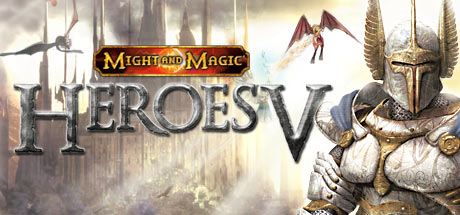
A lesser-known kindred — High Fantasy, Party Management, Class System, Grid Tactics Combat. 88% positive across 4,251 Steam reviews.
Both lean into Campaign, High Fantasy, Party Management, Grid Tactics Combat.
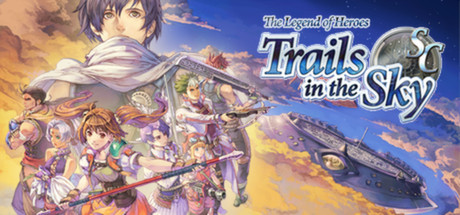
A lesser-known kindred — Party Management, High Fantasy, Branching Narrative, Character Builds. 98% positive across 4,325 Steam reviews.
Both lean into Campaign, Party Management, High Fantasy, Branching Narrative.