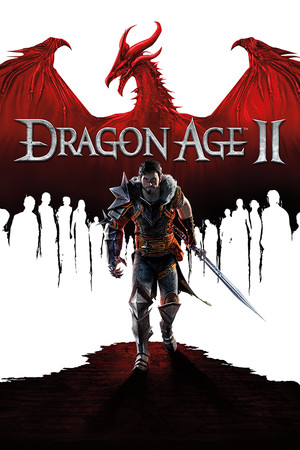
Dragon Age II
Dragon Age II is the sequel to Dragon Age: Origins and the second major game in the series. Like its predecessor, players can explore and engage in combat from a third-person perspective and will also encounter various companions who play major roles in the plot and gameplay. Depending on players' decisions and dialogue, a companion will either recognize the main character Hawke as a friend or a rival. The game adopts the wheel-based dialogue system, meaning short responses that reflect different tones and attitudes the player wishes to choose for Hawke. The combat system is quite similar to the one used in the previous Dragon Age game, though it has been noticeably sped up.
What it feels like
The narrative treats its emotional beats and character arcs with sincere commitment rather than irony or detachment. The story of refugees and loss, set against a darkening world, carries an undercurrent of wistful sadness beneath ambition.
What it's about
Set in a grim fantasy world dealing with darkspawn plague and the corruption of civilization, darker in tone than classical high fantasy. Hawke's journey to rise to power and become Champion, overcoming dark forces, follows a heroic quest structure. Navigating to power in Kirkwall involves factional tensions and political maneuvering to become Champion.
How it plays
Core gameplay revolves around assembling and directing a squad of distinct companion characters in combat and story moments. The wheel-based dialogue system with tone-based responses and branching conversation choices is a central mechanic that shapes relationships and outcomes. Combat is described as real-time but can be paused to queue orders for the party, allowing tactical decision-making mid-battle.
How it looks and sounds
The game is explicitly played from a third-person perspective, a defining visual presentation choice.
How it's structured
The game is structured around a bounded, authored story arc following Hawke's rise to Champion of Kirkwall, with a clear narrative spine from beginning to end. Designed as a single-player experience with no multiplayer component, focusing on solo protagonist-driven narrative. While structured around a main narrative spine, the game allows exploration and side quests alongside the central story progression.
Kindred games

Shares Real-Time with Pause, Party Management, Dark Fantasy, Third-Person.
Both lean into Campaign, Single-Player, Real-Time with Pause, Party Management.
Shares Party Management, Real-Time with Pause, Dialogue Trees, Character Builds.
Both lean into Single-Player, Campaign, Party Management, Real-Time with Pause.

Shares Party Management, Dialogue Trees, Character Builds, Heroic Quest.
Both lean into Party Management, Campaign, Single-Player, Dialogue Trees.
See all games like Dragon Age II →
Closest hidden gems

A lesser-known kindred — Party Management, Dark Fantasy, Third-Person, Character Builds. 89% positive across 4,940 Steam reviews.
Both lean into Single-Player, Campaign, Party Management, Dark Fantasy.
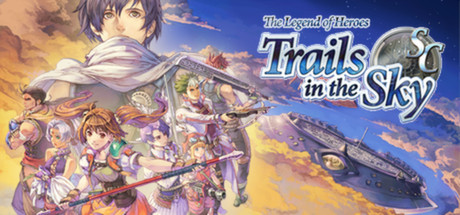
A lesser-known kindred — Party Management, Dialogue Trees, Real-Time with Pause, Character Builds. 98% positive across 4,325 Steam reviews.
Both lean into Campaign, Single-Player, Party Management, Dialogue Trees.
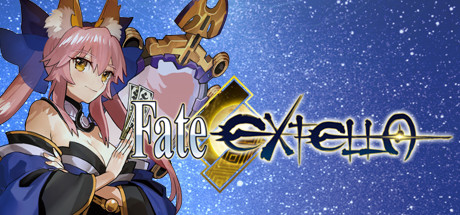
A lesser-known kindred — Party Management, Third-Person, Dialogue Trees, Earnest. 91% positive across 4,466 Steam reviews.
Both lean into Single-Player, Campaign, Party Management, Third-Person.